New York City Commits $25 Million to Expand Winter Emergency Response and Protect Vulnerable Residents
New York City announces expanded cold-weather outreach, additional medical support and stronger snow removal preparations.

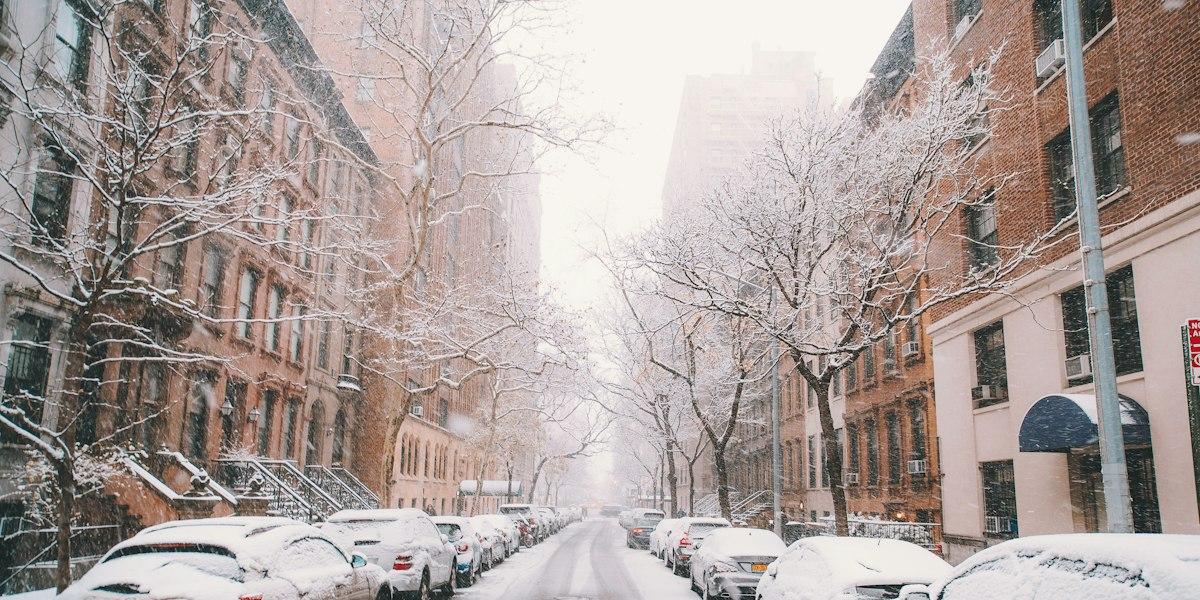
New York City is preparing for the winter season with a $25 million investment in expanded cold-weather emergency services, additional outreach teams and improved snow and ice removal operations across the five boroughs.
Mayor Zohran Kwame Mamdani announced the citywide initiative as municipal agencies prepare for the challenges associated with prolonged cold temperatures, winter storms and hazardous street conditions.
The plan includes an expanded Code Blue response system, additional mobile medical resources and changes to how city workers coordinate snow removal.
The announcement represents a major operational effort involving multiple city agencies responsible for emergency management, sanitation, healthcare and services for residents experiencing homelessness.
Expanded Code Blue Response
The central component of the initiative is a $25 million investment in strengthening the city's Code Blue system.
The program is designed to provide additional support to people experiencing homelessness during periods of extreme cold.
The expanded operation includes more than 300 additional outreach workers who will follow designated walking and driving routes throughout high-impact areas in all five boroughs.
The city plans for these teams to cover approximately 75 percent of the locations where homeless New Yorkers are known to stay.
Rather than relying exclusively on predetermined lists, the outreach approach is intended to engage people encountered during field operations.
This structure is designed to improve the city's ability to identify individuals who may need shelter, transportation or other assistance as temperatures decline.
The initiative also builds on previous city efforts to coordinate outreach and emergency services during extreme weather.
Mobile Medical Support and Transportation
The winter preparedness plan includes additional medical resources through NYC Health + Hospitals.
Up to 55 WARM mobile units are expected to provide medical support and transportation to warming centers, healthcare facilities and other appropriate locations.
Mobile services are particularly relevant during severe weather because individuals experiencing homelessness may face difficulties reaching traditional healthcare facilities.
The availability of mobile units can help connect residents with medical support while also providing transportation to warmer environments.
The initiative reflects a broader approach to cold-weather response that combines outreach, healthcare access and shelter coordination.
Rather than treating extreme cold as solely a housing or transportation issue, the city is coordinating services across multiple areas of public administration.
Preparing Streets for Snow and Ice
The announcement also included plans to strengthen snow and ice removal operations.
The Department of Sanitation and other city agencies are preparing additional equipment, personnel and operating procedures ahead of the winter season.
Snow and ice can create significant transportation challenges in New York City.
Road conditions affect buses, emergency vehicles, private transportation and commercial deliveries.
Pedestrian access is also an important consideration, particularly for older residents, people with disabilities and individuals who rely on public transportation.
The city's preparation efforts are intended to improve coordination and allow sanitation crews to respond more effectively when winter weather affects roadways and sidewalks.
The mayor's announcement emphasized the importance of preparing equipment and personnel before severe weather develops.
Lessons From the Previous Winter
The city's preparations follow a winter season that presented substantial operational challenges.
During the previous winter, New York City recorded 43.4 inches of snowfall, compared with a normal seasonal average of approximately 22.9 inches.
The city also experienced nine consecutive days when temperatures did not rise above freezing.
These conditions placed pressure on municipal agencies responsible for maintaining transportation access, providing emergency assistance and protecting vulnerable residents.
The experience highlighted the importance of coordinating public services before prolonged cold spells and major snow events.
The new winter plan builds on operational measures developed during the previous season while adding resources for outreach, transportation and medical assistance.
Weather Preparedness and Public Services
The National Weather Service's outlook referenced in the city's announcement indicated that a strong El Niño could contribute to a warmer and wetter winter.
Such conditions may increase the likelihood of rain, sleet and icy conditions, alongside the possibility of heavy, wet snowfall during significant storms.
The outlook does not mean that every part of the winter will experience the same conditions.
However, it provides additional context for the city's decision to prepare for multiple forms of winter weather.
Rain, freezing temperatures and snow can create different operational challenges for municipal agencies.
Icy roads and sidewalks may become particularly difficult to manage even when snowfall totals are relatively limited.
A Citywide Coordination Effort
The winter preparedness program involves coordination across several municipal departments.
Emergency management officials, sanitation workers, healthcare personnel and agencies responsible for homelessness services each have different responsibilities during severe weather.
Effective coordination is important because winter emergencies can affect several public services simultaneously.
For example, a major snowstorm can disrupt transportation while increasing demand for emergency shelter and medical assistance.
Additional outreach teams and mobile healthcare resources can help the city respond to residents who may be especially vulnerable during these periods.
The $25 million investment therefore supports a broader operational strategy rather than a single isolated service.
Implications for New York Communities
The initiative carries significance for residents throughout New York City's five boroughs.
For people experiencing homelessness, expanded outreach and warming resources may improve access to assistance during dangerous weather conditions.
For commuters and businesses, stronger snow removal operations are intended to support transportation and maintain access to commercial areas.
For municipal agencies, the plan establishes additional responsibilities involving staffing, equipment deployment and emergency coordination.
The effectiveness of the program will ultimately depend on how resources are deployed during actual winter conditions.
The announcement establishes the city's preparations for the coming season, with an emphasis on protecting vulnerable residents and maintaining essential services.
As winter approaches, the expanded Code Blue system and improved snow removal preparations represent a substantial commitment to emergency readiness across New York City.

New York Daily Contributor
August Brennan
Covers the five boroughs — City Hall, the agencies and the neighbourhoods they answer to.
This article features partner, contributor, or branded content from a third party. Members of the New York Daily editorial staff were not involved in the creation of this content. All views and opinions are those of the contributor alone.
More From New York Daily