New York Transportation Summit Brings Industry Leaders Together to Discuss Transit, Infrastructure and Street Safety
The 2026 Transportation in NY Summit brings transportation professionals and industry experts to New York Law School to discuss the city's mobility challenges.

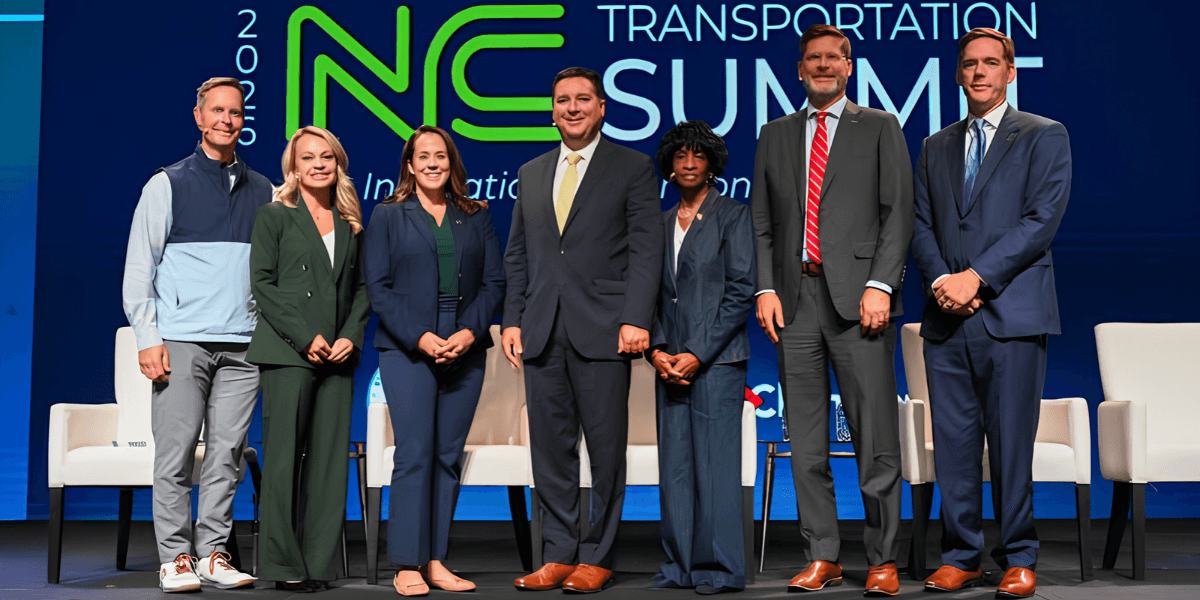
Transportation professionals, infrastructure specialists and industry representatives are gathering in Manhattan for the 2026 Transportation in NY Summit on October 30. The event, scheduled at New York Law School, focuses on issues shaping the future of transportation, including transit investment, congestion management, infrastructure modernization, climate resilience, street safety and access to mobility.
The summit provides a forum for discussing how transportation systems can respond to the demands of a large metropolitan region. New York's economy depends on the movement of commuters, visitors, freight and essential services, making the reliability of roads, public transit and pedestrian infrastructure important to businesses and residents alike.
Transportation decisions also influence where people choose to live and work. Reliable connections can expand access to employment, support commercial districts and help businesses reach customers. Conversely, disruptions, congestion and inadequate infrastructure can increase travel times and operating costs.
Infrastructure and the city's economy
New York's transportation network includes subway and commuter rail services, buses, bridges, tunnels, roadways, bicycle routes and pedestrian spaces. Each part serves a different role, but the system's overall effectiveness depends on how well those elements connect.
For employers, transportation access can influence recruitment, staff attendance and the location of offices or commercial facilities. Workers may depend on several modes of travel to reach a workplace, while businesses that receive deliveries must account for congestion, loading access and restrictions on vehicle movement.
The economic consequences extend beyond direct transportation costs. Travel conditions can influence customer visits to commercial districts, the accessibility of cultural attractions and the ability of residents to reach healthcare, education and other services.
Infrastructure investment therefore involves choices about how public resources should be allocated. Projects may address aging equipment, improve accessibility, expand capacity or strengthen systems against weather-related disruption. Each proposal must be assessed in relation to cost, expected benefits, construction impacts and long-term maintenance requirements.
Transit investment and congestion
Public transportation is central to the movement of people throughout New York City and the wider metropolitan region. Subways and buses carry large numbers of passengers, while commuter rail services connect the city with surrounding communities.
Maintaining those systems requires ongoing investment in vehicles, stations, tracks, signals and other infrastructure. Modernization can improve reliability and accessibility, but major projects may involve substantial costs and temporary disruption.
Congestion presents a different set of challenges. Heavy traffic can slow buses, delay commercial deliveries and make travel times unpredictable. Policies designed to manage congestion may affect how people choose to travel, although their results depend on implementation, available alternatives and changing travel patterns.
For businesses, uncertainty can be as important as the average length of a journey. Companies need to estimate when workers, customers and goods will arrive. More reliable transportation can support planning even when total travel time remains significant.
Discussions at transportation industry events can help stakeholders compare approaches, identify shared challenges and consider how investment decisions affect different groups.
Climate resilience and infrastructure modernization
Climate resilience is another important consideration for a city with extensive waterfront areas and infrastructure built across multiple generations. Heavy rainfall, coastal flooding, extreme heat and other weather conditions can place pressure on transportation systems.
Flooded roads and transit facilities may interrupt travel and affect access to workplaces, hospitals and public services. Preparing for these risks can involve drainage improvements, protective infrastructure, equipment upgrades and emergency planning.
Modernization also includes the adoption of new technologies for managing traffic, monitoring infrastructure and providing information to travelers. Digital systems can help operators identify disruptions and communicate service changes, although they also require reliable maintenance and appropriate cybersecurity protections.
Technology cannot replace the need for physical investment. Sensors and software may improve monitoring, but aging tracks, bridges and road surfaces still require inspection, repair and, where necessary, reconstruction.
Street safety and equitable access
Street safety remains a concern for pedestrians, cyclists, drivers and public transportation users. Urban streets must accommodate different forms of travel while providing safe crossings, clear visibility and accessible routes.
Design choices can influence how people move through neighborhoods. Protected bicycle infrastructure, improved intersections, better lighting and accessible pedestrian facilities may help address particular safety concerns, although the effectiveness of each measure depends on local conditions.
Equitable access is also central to transportation planning. People with disabilities, older residents, families with young children and workers traveling outside conventional commuting hours may face different barriers. Transit availability, station accessibility and the safety of walking routes can affect whether services are practical for everyone.
For employers and businesses, accessibility influences the range of customers and workers who can reach a location. For residents, it affects access to jobs, education, healthcare and community activities.
A forum for transportation decision-makers
The October 30 summit brings these interconnected questions into a shared professional setting. Its agenda creates an opportunity for participants to examine how investment, policy, technology and design can influence the future of mobility in New York.
The discussions take place as transportation agencies and regional stakeholders continue to balance the needs of a growing economy with the demands of maintaining existing infrastructure. Decisions made in these areas can affect commuting patterns, commercial activity, neighborhood accessibility and the reliability of essential services.
By bringing transportation leaders and industry professionals together, the summit provides a setting for considering how New York can modernize its systems while addressing congestion, safety and resilience.

New York Daily Contributor
Delia Vasquez
Covers politics and the money behind it, from the city council to Washington's effect on New York.
This article features partner, contributor, or branded content from a third party. Members of the New York Daily editorial staff were not involved in the creation of this content. All views and opinions are those of the contributor alone.
More From New York Daily