New York City Voters Approve Measure to Speed Up Bike and Bus Lane Projects
Nearly 66% of voters support a City Charter change designed to shorten approval timelines and reduce legal challenges to street-safety improvements.

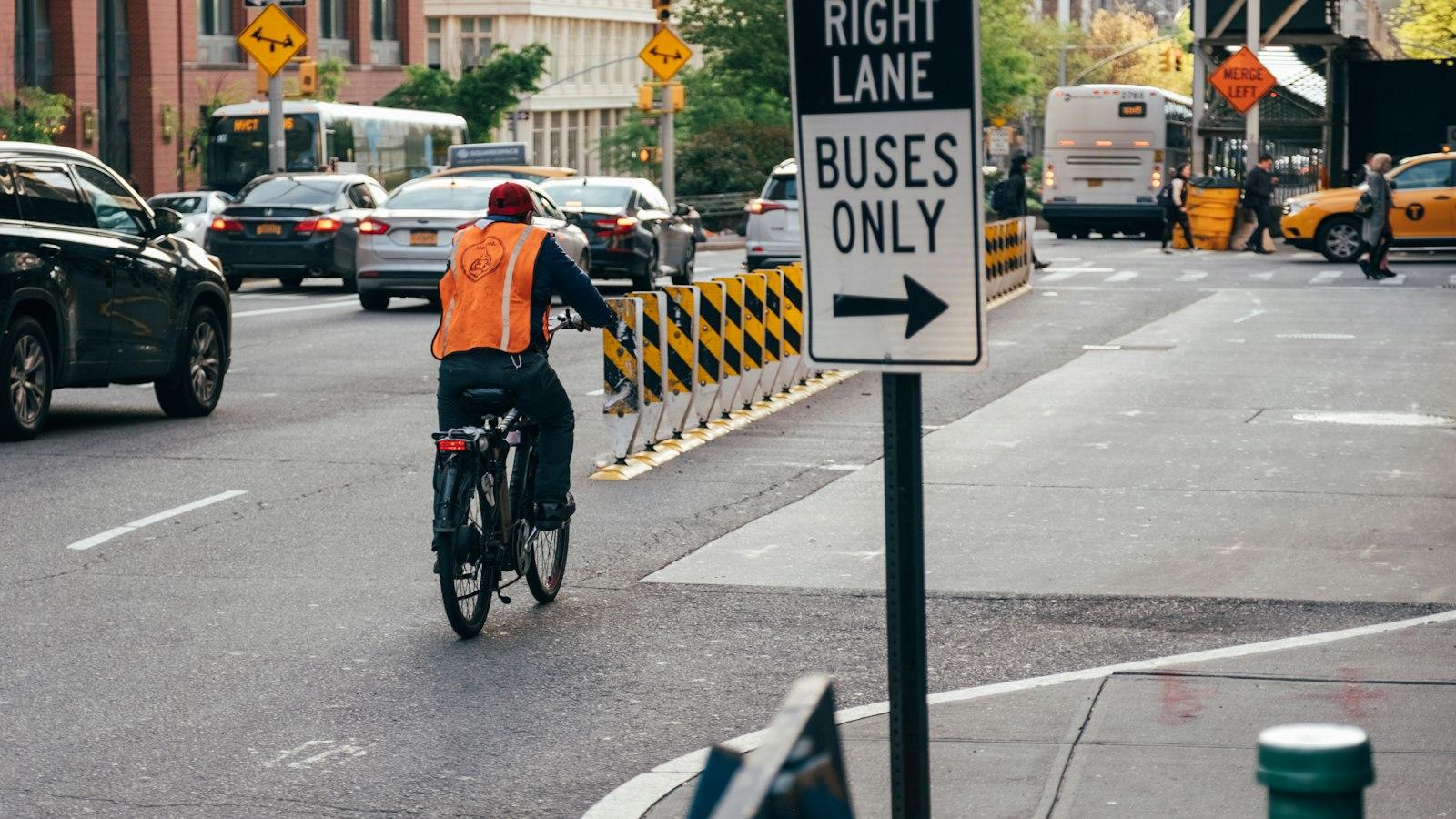
New York City voters have approved a ballot measure intended to accelerate the implementation of street-safety projects, including protected bike lanes and bus lanes, giving transportation planners a revised framework for moving certain infrastructure improvements through the approval process. The measure, known as Ballot Proposition 3, received support from nearly 66% of participating voters during the November 3 election, with more than one million New Yorkers voting in favor.
The result was reported on November 5 and represents a significant development in the city's ongoing debate over street design, transportation access, and the pace of infrastructure improvements. Supporters say the charter change could reduce delays and make it more difficult for opponents to use legal challenges to prevent approved projects from moving forward.
The measure was advanced by Mayor Zohran Mamdani's Commission on Government Efficiency as part of a broader group of proposed changes to the city charter.
A Measure Focused on Project Timelines
Proposition 3 was designed to shorten the process for implementing street-safety projects. These projects can include protected bicycle lanes, dedicated bus lanes, and other changes intended to improve how streets are used by different transportation modes.
In New York City, street redesign proposals can involve several stages of planning, public engagement, technical review, and administrative approval. Projects may also face opposition from residents, businesses, motorists, and other stakeholders who have different views about how limited street space should be allocated.
Supporters of the ballot measure argued that lengthy approval processes can delay improvements even after city agencies have completed planning work. The charter change is intended to make implementation more predictable and reduce opportunities for certain projects to become stalled through legal disputes.
The proposal does not remove the need for planning or public administration. Instead, it changes parts of the process governing how qualifying projects move from approval toward implementation.
Voters Approve the Proposal
More than one million New Yorkers supported Proposition 3, representing nearly 66% of those who voted on the question. The result indicates substantial public backing for the proposed change, although the citywide vote does not mean every neighborhood or stakeholder group shares the same position.
The measure passed alongside four other charter proposals advanced by the Commission on Government Efficiency. Those proposals addressed additional administrative issues, including application timelines for private uses of public space and changes intended to simplify construction permitting.
The ballot results provide the city with a mandate to implement the approved charter changes. City agencies and officials will need to apply the revised requirements as they advance projects covered by the measure.
Implications for Bicycle Infrastructure
Protected bike lanes have become an important part of New York City's transportation planning. They are designed to separate cyclists from moving vehicle traffic through physical barriers, marked lanes, or other forms of street design.
Supporters argue that protected routes can make cycling more accessible and improve safety for people who use bicycles for commuting, school travel, and local trips. A connected network can also help cyclists travel between neighborhoods without repeatedly encountering streets that lack dedicated infrastructure.
However, bike-lane projects can affect parking availability, loading areas, traffic flow, and curb access. These changes can create disagreements among residents and businesses, particularly in neighborhoods where street space is already limited.
Proposition 3 may make it easier for approved projects to proceed, but the practical outcome will depend on how city agencies design and implement individual routes.
Dedicated Bus Lanes and Public Transportation
The measure also covers bus-lane projects, which are intended to improve the movement of public transportation through busy streets. Dedicated lanes can reduce the amount of time buses spend behind general traffic, potentially improving service reliability and travel times.
Bus lanes are especially relevant in a city where many residents depend on public transportation for work, education, medical appointments, and everyday activities. Delays can affect commuters and create challenges for people who rely on scheduled services.
Street redesigns that prioritize buses may require changes to parking, vehicle access, and traffic operations. Supporters of Proposition 3 argue that the revised process can help the city deliver these improvements more efficiently.
The long-term value of bus-lane projects will depend on enforcement, route design, traffic conditions, and coordination with other transportation services.
Legal Challenges and Public Input
One of the central arguments behind Proposition 3 was that legal challenges can delay street-safety projects. Supporters say reducing the potential for certain lawsuits could help the city complete infrastructure work more quickly and avoid prolonged disputes after projects receive approval.
However, the change also raises questions about how residents and businesses can challenge decisions they believe have negative effects on their neighborhoods. Street projects can influence access, deliveries, parking, emergency response, and local commerce.
The city will need to implement the new rules while maintaining appropriate planning standards and communication with affected communities. Public engagement remains important because residents often have detailed knowledge of local traffic conditions, pedestrian activity, and neighborhood access requirements.
The measure changes aspects of the approval process, but effective implementation will still require careful consideration of how individual projects affect surrounding streets.
Part of a Wider Charter Reform Package
Proposition 3 was one of five measures placed before voters through the Commission on Government Efficiency. The wider package addressed administrative procedures involving public space, permitting, and other municipal processes.
The proposals reflect an effort to review how city government handles applications and infrastructure decisions. Supporters of the broader initiative argue that reducing unnecessary administrative delays can help agencies deliver services and complete projects more efficiently.
For New York, the challenge will be translating the approved measures into practical procedures without weakening transparency or accountability.
What Comes Next for New York Streets
The approval of Proposition 3 gives the city a revised framework for advancing qualifying bike and bus lane projects. Its effect will become clearer as transportation agencies apply the charter change to future proposals and existing plans.
The measure does not resolve every debate over street design. Questions about parking, traffic, accessibility, business deliveries, and neighborhood priorities will continue to shape transportation decisions across the five boroughs.
Nevertheless, the vote represents a meaningful development in how New York approaches street-safety infrastructure. With more than one million voters supporting the measure, city officials now face the task of implementing the change while balancing faster project delivery with the needs of the communities affected.

New York Daily Contributor
August Brennan
Covers the five boroughs — City Hall, the agencies and the neighbourhoods they answer to.
This article features partner, contributor, or branded content from a third party. Members of the New York Daily editorial staff were not involved in the creation of this content. All views and opinions are those of the contributor alone.
More From New York Daily