Bronx Water Main Break Floods Streets and Disrupts Service Before Crews Restore Water
A water main break in the Edenwald section of the Bronx disrupted service, flooded streets and parking areas, and prompted an emergency repair effort.

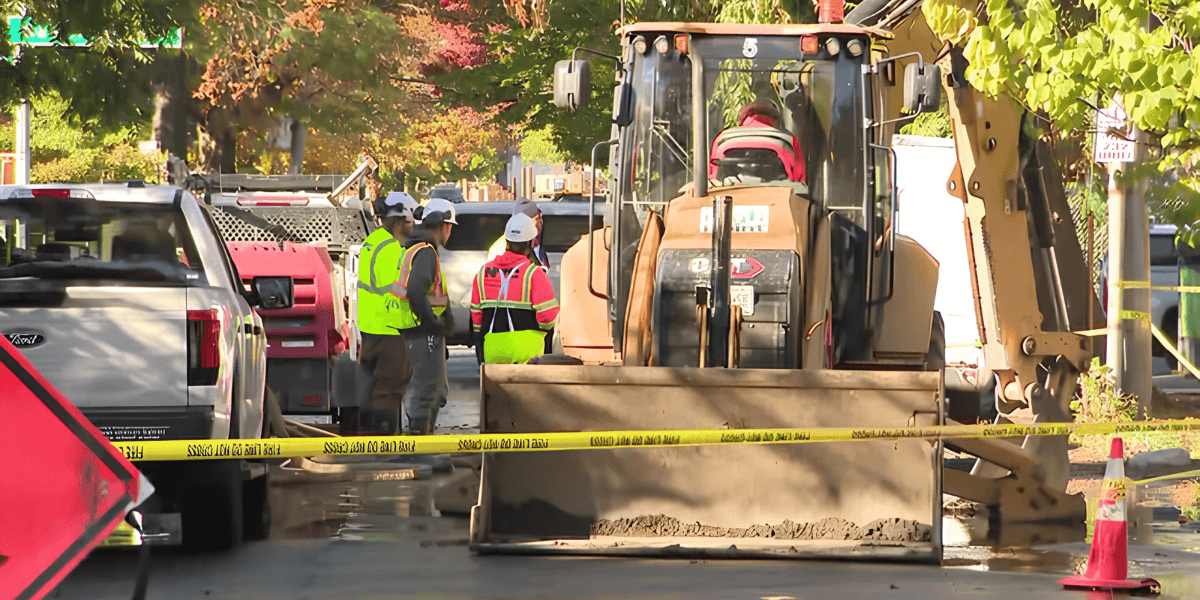
A water main break in the Edenwald section of the Bronx disrupted water service for residents and affected nearby streets and parking areas before city crews completed repairs later in the day. The break was reported near Strang and De Reimer avenues, where water gushed onto the roadway and pooled around surrounding buildings.
The New York City Fire Department was called shortly after 6 a.m. as the situation developed. Video from the scene showed water spreading across the street and nearby parking lots, while residents reported that some homes had lost water service entirely. Others said the water coming from their taps appeared brown.
The incident affected daily routines in a residential neighborhood where households rely on a consistent supply for drinking, cooking, cleaning and personal hygiene. A water main failure can disrupt those basic activities even when the outage is limited to a relatively small geographic area.
Crews investigate the source
The city's Department of Environmental Protection sent workers to the area to identify the source of the leak, assess potential damage and coordinate the response. Repair teams dug into the roadway and pumped out water while working to address the break.
In addition to repair operations, department workers went door to door to check for possible damage and provide residents with forms explaining how they could submit claims to the city comptroller's office. The effort was intended to give affected residents a way to report losses associated with the incident.
The city also established a temporary “Water on the Go” station on De Reimer Avenue, providing a portable, multi-spigot drinking fountain for people who needed access to water while service remained disrupted. The station offered a practical short-term measure as crews worked to restore the normal supply.
Water main breaks can occur for different reasons, including deterioration, ground movement, pressure changes and damage to infrastructure. The cause of a particular incident cannot be established solely from the visible flooding, and investigators generally need to examine the pipe and surrounding conditions before reaching a conclusion.
Effects on residents and nearby institutions
The loss of water service affected residents who woke to find that ordinary household activities were no longer possible. Without reliable tap water, people may struggle to shower, prepare meals, wash dishes or carry out routine cleaning. Discolored water can also create uncertainty about whether the supply is safe to use.
Residents who notice an unusual color, odor or change in pressure after a water main repair should follow instructions from local water authorities. They should not assume that water is safe for every purpose simply because pressure has returned. Official guidance can clarify whether flushing, testing or any other precaution is necessary.
The incident also affected a nearby school community. One parent reported seeing brown water at P.S. 68, although New York City Public Schools said its schools were not affected. Mount Saint Michael Academy closed for the day because the disruption affected water service across its campus. The school was expected to reopen after service was restored.
These effects illustrate how a utility failure can extend beyond the immediate location of a broken pipe. Residential buildings, educational facilities and businesses may all depend on the same local infrastructure, making the speed and coordination of the response important.
Service restored, but infrastructure remains a concern
Officials reported that water service had been restored to all customers shortly before 4:30 p.m. after crews completed repairs. The restoration brought an end to the immediate interruption, although residents with property damage or lingering water-quality concerns could still need to follow up with the appropriate city agency.
The incident highlighted the role of underground infrastructure in everyday city life. Water distribution systems are largely invisible when functioning normally, but a failure can quickly affect homes, roads, parking areas and public facilities. Repair work may require excavation, traffic management, water removal and coordination with affected properties.
For residents, reporting unusual water conditions promptly and following official guidance can help reduce uncertainty during a disruption. For city agencies, communicating service updates and providing temporary access to drinking water are important parts of responding to an incident.
The Bronx water main break was resolved within the day, but its effects underscored the importance of maintaining essential infrastructure and preparing for interruptions when they occur. Restoring the supply was the immediate priority; ensuring that affected residents had information, assistance and a way to report damage formed another part of the response.

New York Daily Contributor
August Brennan
Covers the five boroughs — City Hall, the agencies and the neighbourhoods they answer to.
This article features partner, contributor, or branded content from a third party. Members of the New York Daily editorial staff were not involved in the creation of this content. All views and opinions are those of the contributor alone.
More From New York Daily