New York City Moves Toward Ending Central Park Horse-Drawn Carriage Rides
A proposed city law would phase out the long-running tourist attraction by June 2028 while providing transition support for carriage workers.

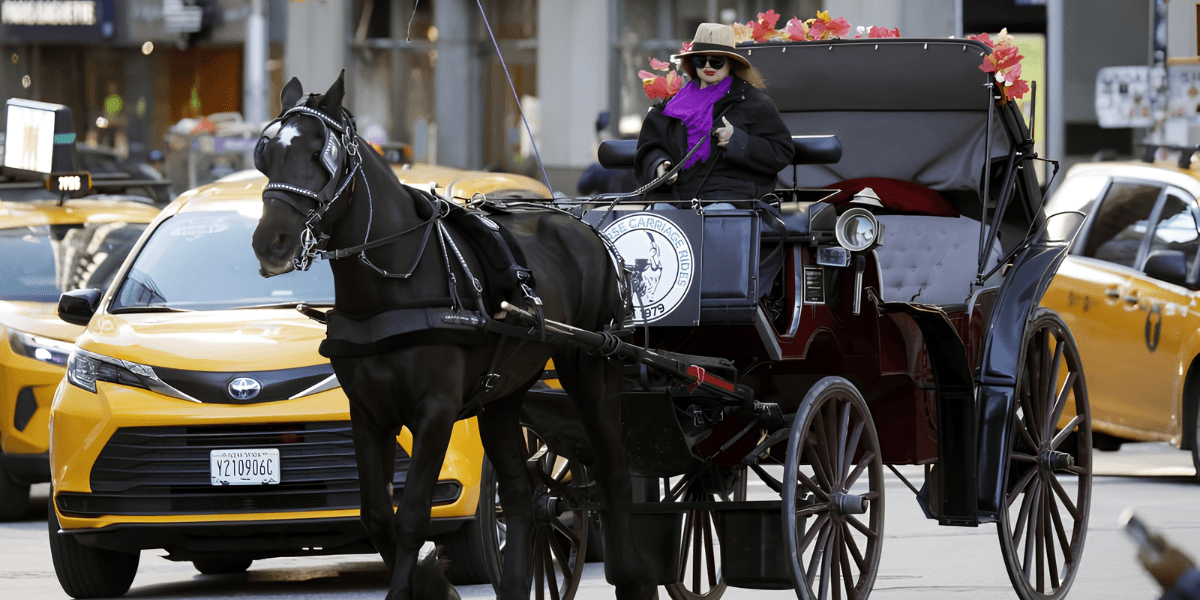
New York City moved closer to ending its traditional horse-drawn carriage industry after Mayor Zohran Mamdani and City Council Speaker Julie Menin reached an agreement to phase out the sightseeing activity in Central Park. The proposal, known as Romanch's Law, was scheduled for a City Council vote on October 22, according to reporting published on October 13 and current as of October 14.
The proposed measure would prohibit horse-drawn vehicles for hire beginning June 1, 2028, with limited exceptions for temporary exhibits, performances, or displays. Existing licenses would expire by May 31, 2028, and the city would stop processing new applications and license renewals.
The proposal marks a significant potential change to one of Manhattan's most recognizable tourist experiences, which has operated in New York for generations. It also raises practical questions about animal welfare, public safety, tourism, and the livelihoods of drivers and owners whose work depends on the industry.
A Long-Running Debate Reaches a Turning Point
Horse-drawn carriage rides have been part of New York City's tourism landscape since the nineteenth century. Supporters have regarded them as a traditional attraction, while opponents have argued that urban traffic, weather, and working conditions can create risks for horses and passengers.
Efforts to end the practice have continued for years, with animal welfare advocates, elected officials, and other organizations raising concerns about the treatment and safety of the animals. The debate gained renewed attention following fatal incidents involving a carriage horse and a passenger during the summer.
The proposed law was named in honor of Romanch Mahajan, a visitor who died in June during an incident involving a runaway horse. A horse named Deniz also died following an incident that summer, adding to public scrutiny of the industry.
Those events intensified an existing discussion about whether the tradition could continue under current conditions or whether the city should pursue a transition away from horse-drawn sightseeing rides.
What the Proposed Law Would Do
Under the proposal described in the reporting, horse-drawn vehicles for hire would be prohibited beginning June 1, 2028, subject to limited exceptions. Existing licenses would expire shortly before the ban takes effect, and the city would not issue new licenses or renew existing ones during the transition period.
The proposal also includes provisions intended to protect horses after retirement. Under the described terms, retired licensed horses could not be sent to slaughter.
Drivers who violate the eventual law could face significant penalties, including fines and possible jail time. The final legal effect would depend on the legislation approved by the City Council and the provisions ultimately enacted.
The planned phaseout gives the city time to address the transition rather than ending the activity immediately. That period would be important for workers, owners, regulators, and organizations responsible for the animals' welfare.
Supporters Emphasize Safety and Animal Welfare
Advocates for ending carriage rides have argued that horses should not have to work in congested urban traffic and that the risks associated with the industry are difficult to justify for a tourist activity.
Central Park and surrounding streets draw large numbers of pedestrians, cyclists, vehicles, and visitors. The combination can create complicated operating conditions for carriage drivers and animals, particularly when traffic patterns change or an animal becomes distressed.
Supporters of the phaseout have also emphasized the need to prevent future injuries and deaths. The agreement between city leaders indicates that the issue has moved beyond earlier unsuccessful efforts and toward a formal legislative process.
However, the proposal's supporters and opponents have different priorities. Animal welfare groups focus on the safety and treatment of horses, while workers and industry representatives have raised concerns about the effects of a ban on their livelihoods.
Transition Support for Drivers and Owners
The proposal includes a workforce transition program intended to help affected drivers and owners identify alternative employment opportunities. The described support includes career counseling, job-placement assistance, and referrals to related industries.
Potential employment paths could include taxi and limousine services, tour bus companies, pedicab operations, and parts of the hospitality and tourism sectors. The final value of the program will depend on how it is organized and the practical assistance available to individual workers.
The transition question is important because the carriage industry supports people whose skills, equipment, and income are tied to a specific activity. Ending the industry would require more than changing the rules governing carriages; it would also involve helping affected workers adapt to a different employment environment.
The proposed phaseout period offers time for that process, although it does not guarantee that every worker will find an equivalent position or maintain the same income.
Implications for Central Park Tourism
Central Park attracts visitors from around the world, and horse-drawn carriage rides have long been associated with the park's image. Ending the activity would change one aspect of the visitor experience while leaving the park's other recreational and cultural attractions in place.
The city would need to manage the transition carefully to ensure that visitors understand the change and that other forms of transportation and sightseeing remain accessible.
The proposal has also prompted discussion about alternatives, including different ways to provide guided experiences. Earlier versions of the legislation considered electric carriages, although the details and status of any alternative would depend on subsequent decisions.
The wider tourism impact remains uncertain. Carriage rides are one element of New York's extensive visitor economy, and the consequences of ending them would depend on how visitors, businesses, and tour operators respond.
A Decision With Wider Consequences
The proposed phaseout places New York City at the intersection of animal welfare, public safety, historic tradition, and workers' rights. The legislative process will determine whether the city adopts the proposed restrictions and how the transition provisions are implemented.
As of October 14, the proposal had not yet reached its scheduled City Council vote. Its final terms and implementation would therefore depend on the outcome of that process.
For New York, the debate is about more than a familiar tourist attraction. It concerns how a major city adapts longstanding practices when public concerns about safety and animal welfare challenge their continued operation. The proposed law offers a defined timetable for that change while recognizing the need to address the people and animals affected by it.

New York Daily Contributor
August Brennan
Covers the five boroughs — City Hall, the agencies and the neighbourhoods they answer to.
This article features partner, contributor, or branded content from a third party. Members of the New York Daily editorial staff were not involved in the creation of this content. All views and opinions are those of the contributor alone.
More From New York Daily