Bronx Apartment Fire Kills 11-Year-Old and Leaves Four Family Members Critically Injured
An early-morning fire at Mott Haven's Patterson Houses killed an 11-year-old child and critically injured four family members.

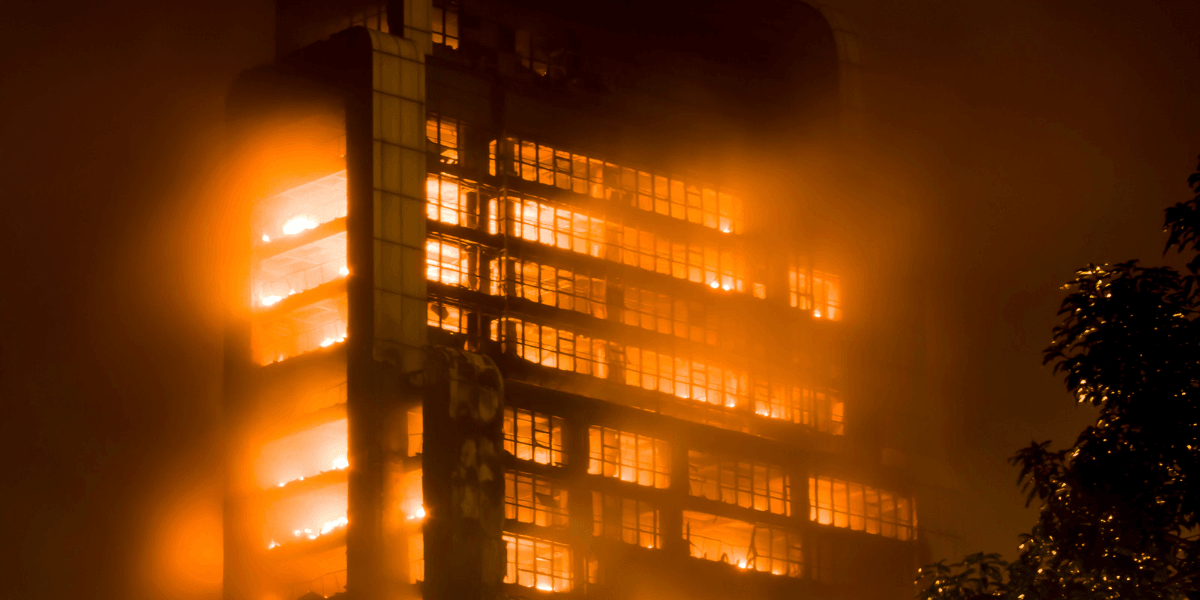
An apartment fire at the Patterson Houses in the Bronx left an 11-year-old child dead and four family members critically injured on October 28, prompting an emergency response at the public housing complex in Mott Haven.
The fire broke out early in the morning in an apartment on the building's 11th floor. Emergency personnel responded to reports of the blaze and worked to reach residents affected by smoke and flames. The incident brought renewed attention to the risks posed by fires in high-rise residential buildings, where smoke can travel through interior spaces and evacuation may be complicated by the building's layout.
The deaths and serious injuries represented a devastating event for the affected family and surrounding community. Fire incidents in apartment buildings can affect multiple residents within a short period, particularly when the fire occurs in a densely occupied structure.
Emergency response at Patterson Houses
Firefighters and other emergency responders were dispatched to the building after the blaze was reported. Crews faced the immediate task of locating people in danger, controlling the fire and helping injured residents receive medical attention.
High-rise apartment fires present operational challenges that differ from fires in detached homes. Responders may need to move equipment through stairwells, assess conditions on several floors and coordinate evacuation or sheltering instructions while trying to prevent smoke from spreading.
Residents may also face uncertainty about whether to remain inside their apartments or evacuate. The appropriate action can depend on the location of the fire, the amount of smoke in hallways and the building's fire-safety design. People should follow instructions from emergency personnel and established building procedures rather than assume that one response is appropriate for every situation.
The October 28 incident involved an apartment on an upper floor, making the speed and coordination of the emergency response especially important. Officials reported the death of the child and critical injuries to four family members, underscoring the severity of the fire's impact.
Why apartment fire safety matters
Residential fires can spread through combustible materials, furniture and household belongings. Smoke can create serious hazards even outside the room where flames originate, while heat and reduced visibility can make escape difficult.
Working smoke alarms are among the most important early-warning measures in residential buildings. They can alert occupants to danger before a fire becomes too large to escape safely. Residents should know the locations of exits, understand the building's emergency procedures and avoid blocking hallways or stairwells with belongings.
Doors can also influence how a fire develops. Closing a door between an occupied space and a fire may help slow the spread of smoke and heat, depending on the circumstances. Residents should never enter a smoke-filled corridor or stairwell without considering the immediate danger and following emergency guidance.
Fire-safety planning is particularly important for households with children, older adults or people who have mobility limitations. Families may need to consider how everyone can receive an alert and reach safety if a fire occurs while household members are sleeping.
Public housing and building preparedness
The Patterson Houses is part of New York City's public housing landscape, where apartment buildings provide homes for large numbers of residents. Safety in these settings depends on functioning alarms, maintained building systems, clear escape routes and effective communication between residents and property managers.
Building maintenance and fire prevention involve multiple responsibilities. Residents can report hazards and avoid unsafe electrical practices, while property management and public agencies are responsible for maintaining relevant systems and addressing reported problems. Fire officials investigate incidents to establish how a fire began and whether any safety issues contributed to its spread.
The cause of the October 28 fire was not established in the initial reports. Determining the origin of a fire generally requires investigators to examine the affected apartment, physical evidence and other available information. Until that work is completed, assumptions about the cause would be premature.
The impact on the community
A fatal residential fire affects more than the apartment where it begins. Neighbors may experience disruption, concern for other residents and uncertainty about returning to their homes. Families connected to the victims may also face immediate practical needs while coping with a traumatic loss.
For communities in high-density housing, the incident serves as a reminder of the importance of fire preparedness and clear emergency procedures. Residents can benefit from knowing multiple ways to leave their building, understanding alarm signals and keeping exits unobstructed.
The October 28 fire at Patterson Houses was a tragic event that claimed a child's life and left four family members critically injured. As officials worked to establish the circumstances surrounding the blaze, the incident underscored the importance of prompt emergency response and reliable fire-safety measures in residential buildings.

New York Daily Contributor
August Brennan
Covers the five boroughs — City Hall, the agencies and the neighbourhoods they answer to.
This article features partner, contributor, or branded content from a third party. Members of the New York Daily editorial staff were not involved in the creation of this content. All views and opinions are those of the contributor alone.
More From New York Daily