Diwali at Times Square Brings Indian Music, Dance and Festival of Lights Traditions to Manhattan
The free cultural celebration returned to Times Square for its 11th anniversary, offering performances and family activities in the heart of New York City.

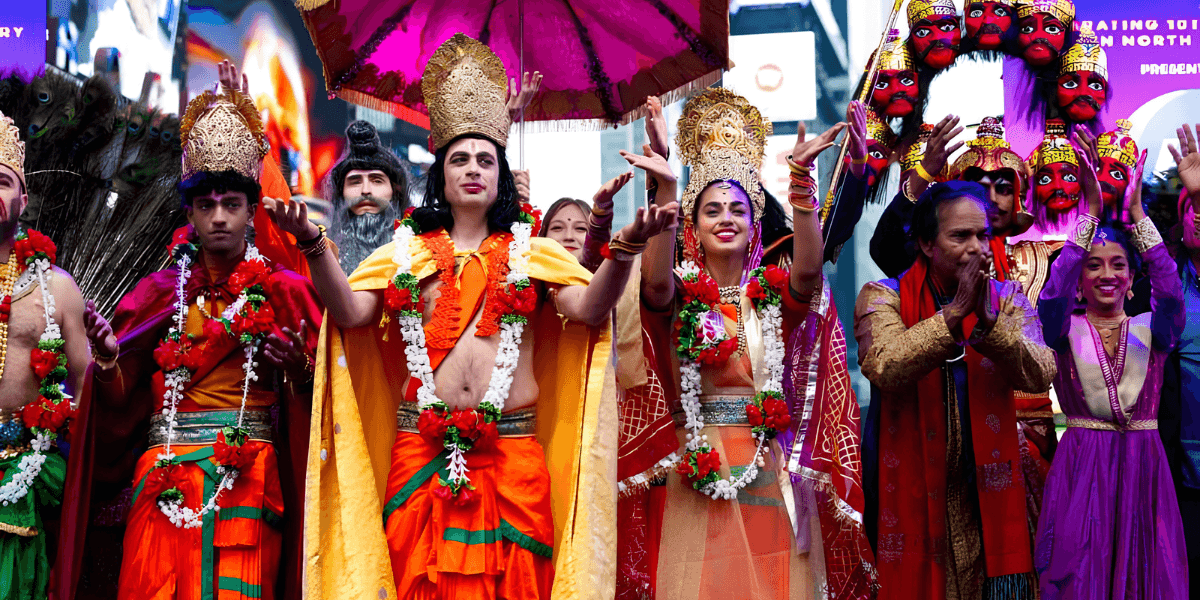
Times Square hosts a major cultural celebration
Diwali at Times Square took place on October 24, bringing South Asian cultural performances and Festival of Lights traditions to one of New York City's best-known public spaces.
The event marked its 11th anniversary and was promoted as a free, family-friendly celebration. Its program included live music, dance performances, cultural experiences, a dedicated children's area and a ceremonial lighting countdown.
Diwali is celebrated by millions of people across different religious and cultural communities, particularly in South Asia and among diaspora communities around the world. Its traditions vary, but light, renewal, family gatherings and the triumph of good over evil are common themes associated with the festival.
The Times Square celebration gave residents and visitors an opportunity to encounter these traditions in a public setting within Midtown Manhattan.
A festival that combines performance and tradition
The event's program brought together music, dance and cultural presentations intended to represent the diversity of South Asian traditions.
Live performances can introduce audiences to regional artistic forms while giving performers an opportunity to present their work to people who may not regularly attend cultural events.
Diwali celebrations often involve lamps, decorative lights, family gatherings and special foods. The ceremonial lighting associated with the Times Square event provided a public focal point for the festival.
The celebration's organizers described the program as open to everyone, allowing people from different backgrounds to participate whether they already celebrated Diwali or were encountering the festival for the first time.
Why the location matters
Times Square is a major public destination associated with entertainment, tourism and large public gatherings. Hosting a cultural festival there places South Asian traditions in a highly visible setting.
The location also connects the event with New York City's wider role as a center for communities from around the world. Residents and visitors can encounter a broad range of cultural celebrations throughout the city's boroughs and neighborhoods.
Public events in heavily visited locations require planning for pedestrian movement, performance areas, accessibility and coordination with local authorities. Organizers must also manage the practical requirements of hosting performances and activities in an urban environment.
The event's free admission reduced the direct cost of entry, although transportation, food and other personal expenses could still affect attendance.
Community participation and cultural visibility
Cultural celebrations can provide opportunities for communities to maintain traditions and introduce them to younger generations.
For families, events such as Diwali at Times Square can create a setting where children encounter music, dance and cultural practices in a public environment. For visitors, the festival can provide an introduction to a tradition they may know primarily through family celebrations or media coverage.
The event also creates a platform for performers and cultural organizations to reach broader audiences.
Although a single festival cannot represent every tradition associated with Diwali, its public program offers a visible example of how cultural celebrations can become part of a city's shared calendar.
The wider role of cultural events in New York
New York's cultural calendar includes parades, religious celebrations, performances, exhibitions and neighborhood festivals. These events contribute to the city's public life and can support businesses connected to tourism, food, transportation and entertainment.
The economic effects of a particular gathering depend on attendance, spending and operating costs. The announcement of a free event does not establish the total financial impact or the number of people who attended.
Its significance can also be cultural rather than primarily economic. Public celebrations allow residents to express community identity and provide opportunities for people from different backgrounds to meet.
A shared celebration in a global city
Diwali at Times Square brought South Asian cultural traditions into the center of Manhattan through performances, family activities and a ceremonial lighting event.
Its 11th anniversary reflected the continuation of a public celebration that connects cultural expression with community participation.
For New York City, the event was another example of how public spaces can accommodate celebrations rooted in traditions from around the world. For attendees, it offered an opportunity to experience music, dance and the symbolism of Diwali in a shared urban setting.

New York Daily Contributor
August Brennan
Covers the five boroughs — City Hall, the agencies and the neighbourhoods they answer to.
This article features partner, contributor, or branded content from a third party. Members of the New York Daily editorial staff were not involved in the creation of this content. All views and opinions are those of the contributor alone.
More From New York Daily