World Sepsis Day Highlights Urgent Need for Global Action
World Sepsis Day brings attention to the critical need for prevention and early treatment to reduce mortality and improve global health outcomes.

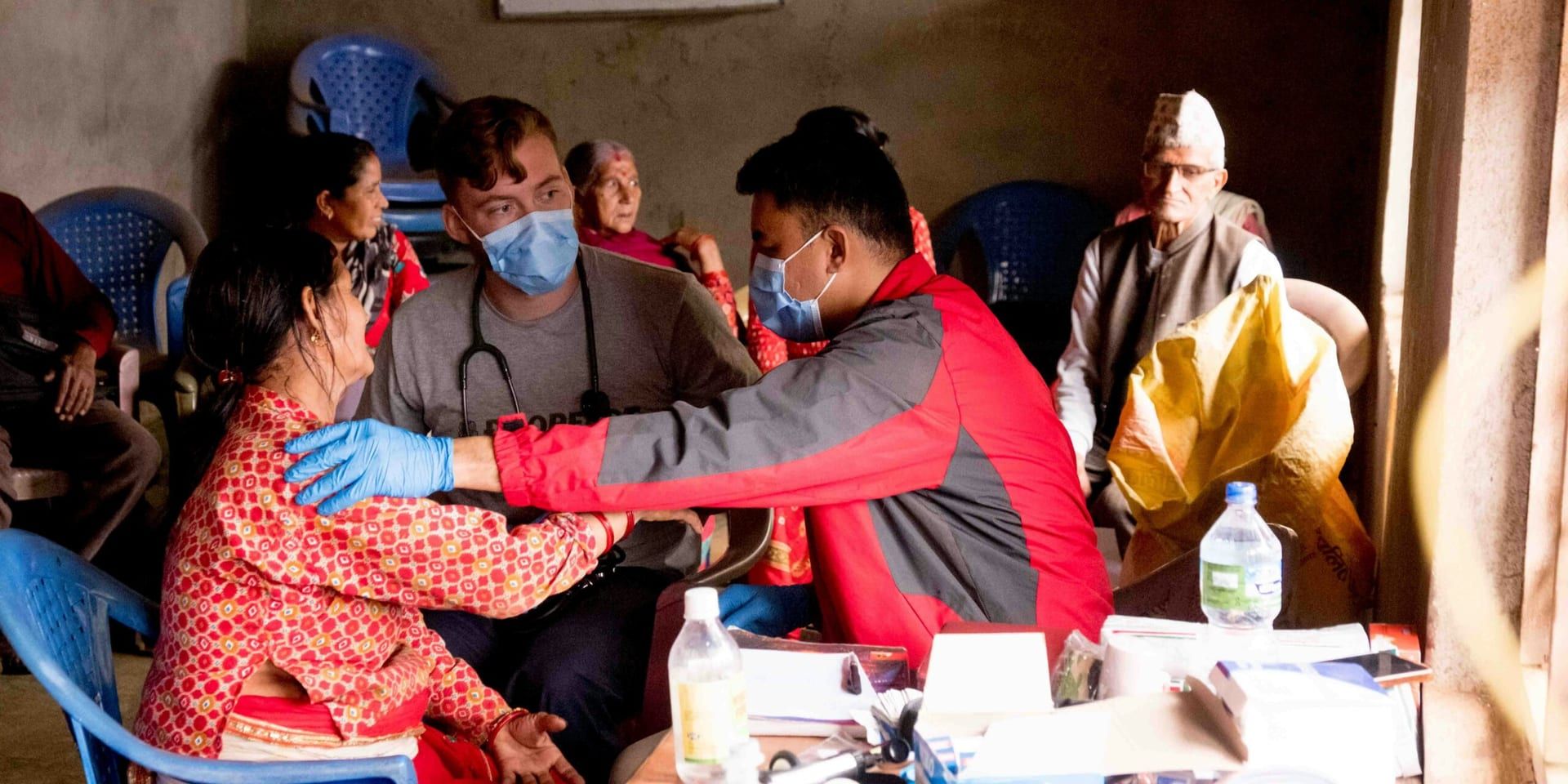
Sepsis, a severe reaction to infection that can be life-threatening, remains a major global health threat, claiming millions of lives annually. At the latest observance of World Sepsis Day, international health organizations highlighted the importance of prevention and early intervention to tackle this serious issue, with a focus on improving conditions in lower- and middle-income countries.
Organized by the Global Sepsis Alliance in collaboration with the World Health Organization, this year's campaign aimed to raise awareness and mobilize action against sepsis. The disease affects people across all demographics but is especially harmful to vulnerable groups, such as infants, pregnant women, the elderly, and those with compromised immune systems. Despite the high mortality rates, many cases of sepsis could be avoided with increased awareness and timely medical intervention.
Promoting Awareness and Immediate Action
The campaign underscored the theme “5 Facts × 5 Actions” to emphasize critical information about sepsis and actionable steps that can drastically improve outcomes. Key messages included the need for early recognition and treatment, as sepsis can rapidly escalate without intervention. Governments, healthcare systems, and communities were urged to invest in preventive measures like vaccinations, strengthen healthcare provider capabilities, and increase public education efforts.
Leading health officials emphasized that each moment of delay in recognizing and treating sepsis can lead to severe complications or death. Public health campaigns were designed to educate families on recognizing the warning signs of sepsis, such as confusion, fever, rapid heartbeat, extreme pain, and difficulty breathing, and encouraged immediate medical evaluation.
Addressing Global Health Disparities
The campaign also drew attention to the disparities in sepsis outcomes globally, particularly between wealthier nations and less-resourced areas. In many low- and middle-income countries, lack of access to trained healthcare workers, diagnostic tools, and antibiotics means that sepsis often goes untreated. Advocates are calling for targeted investments to improve healthcare infrastructure, expand vaccination programs, and train medical professionals to enhance early detection and intervention in these regions.
Bridging these healthcare gaps is crucial for reducing the global burden of sepsis. By enhancing healthcare capabilities and access, especially in resource-limited settings, global health initiatives can better support early detection and treatment, potentially saving countless lives.
Long-Term Care for Sepsis Survivors
The impact of sepsis extends beyond immediate survival; many individuals face long-term health challenges following recovery. Ongoing medical care, mental health support, and rehabilitation services are increasingly recognized as vital components of post-sepsis care. Survivors often share their experiences to highlight the importance of comprehensive care plans that include these elements to improve quality of life after a sepsis diagnosis.
During the campaign, survivor stories showcased the hope and resilience that accompany proper prevention and timely treatment, reinforcing the urgent need for sustained medical and social support systems for those recovering from sepsis.
Collaborative Efforts for a Global Solution
World Sepsis Day sends a clear message: addressing sepsis is a critical public health priority that requires coordinated global action. By promoting awareness and tying it to concrete steps, advocates aim to reduce the global impact of this often-overlooked disease. Through investment, education, and community engagement, the hope is to forge effective strategies that make significant strides in combating sepsis worldwide.
As the fight against sepsis continues, enhanced international cooperation and commitment are essential. By working together across sectors and borders, the global community can make meaningful progress in reducing sepsis-related morbidity and mortality.

New York Daily Contributor
Delia Vasquez
Covers politics and the money behind it, from the city council to Washington's effect on New York.
This article features partner, contributor, or branded content from a third party. Members of the New York Daily editorial staff were not involved in the creation of this content. All views and opinions are those of the contributor alone.