Hawaii's Wildfires Highlight Urgent Need for Climate Resilience
Hawaii confronts a severe wildfire crisis, prompting federal response and underscoring the urgent need for climate adaptation strategies.

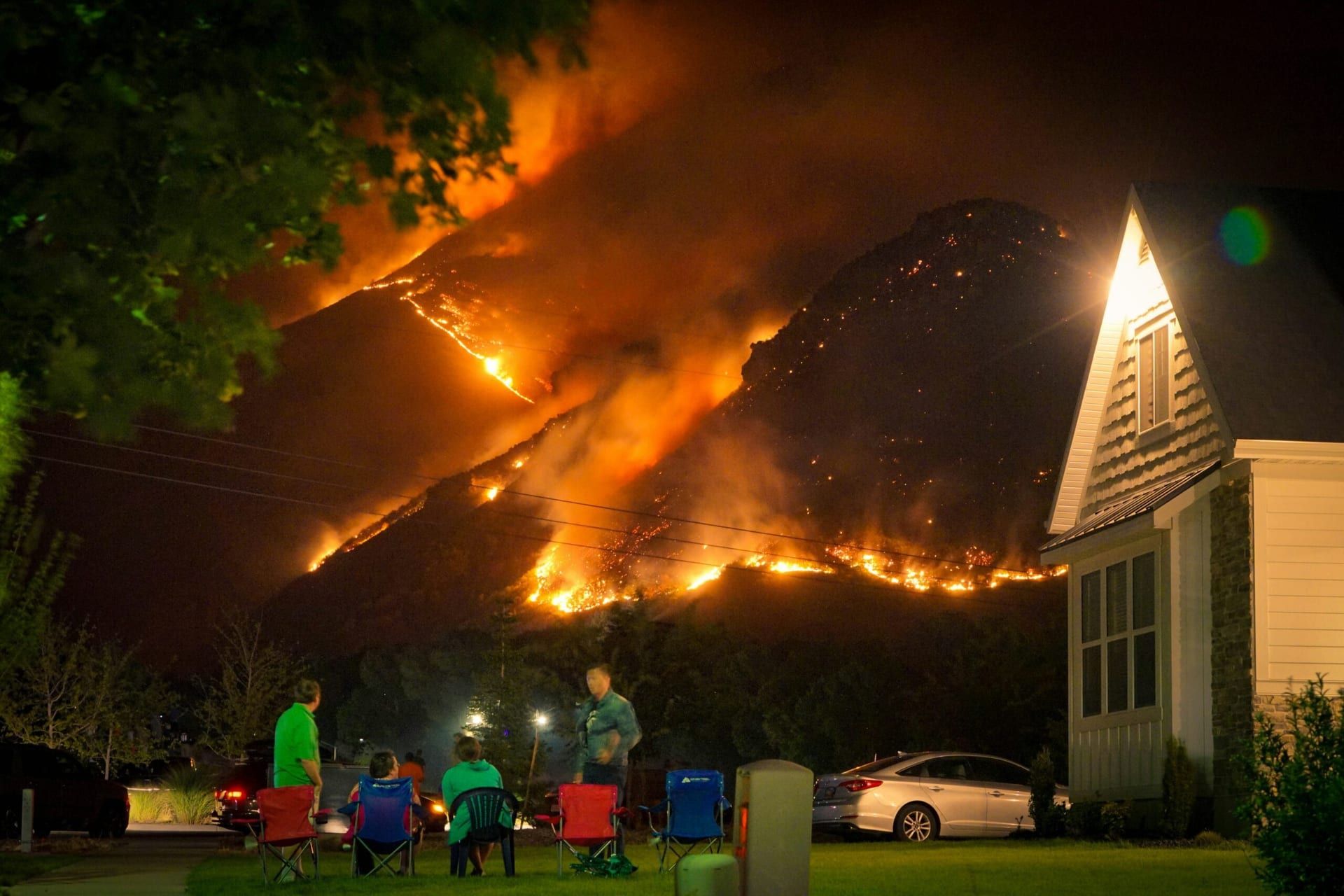
Hawaii is enduring a severe wildfire crisis, with flames ravaging Maui and the Big Island, forcing thousands to flee and destroying numerous homes. The devastating fires, fueled by strong winds and dry conditions, have left communities in ruins and emergency teams racing against time to manage the chaos.
As the situation unfolds, access to some areas remains restricted, complicating damage assessment efforts. The fires' intensity and speed have led to growing concerns about casualties and further destruction, keeping local authorities on high alert.
Swift Federal Assistance for Relief and Recovery
In response to the unfolding disaster, the federal government quickly mobilized resources to support Hawaii's firefighting and evacuation efforts. President Joe Biden authorized National Guard involvement to strengthen local initiatives aimed at controlling the fires and assisting residents.
The Federal Emergency Management Agency (FEMA) has implemented a wide-ranging disaster response, providing shelters, distributing essential supplies, and working closely with state and local agencies. Prompt congressional action has also secured emergency funding to support immediate and long-term recovery, reflecting the crisis's gravity.
Climate Change's Role in Intensifying Wildfires
Experts attribute the severity of Hawaii's wildfires in part to climate change, which has exacerbated conditions like extreme drought, high temperatures, and powerful winds. These factors create a perfect storm for wildfires, drying vegetation and increasing the likelihood and intensity of flames.
Senator Brian Schatz emphasized that the fires are a direct result of an unstable climate, urging immediate action to avert future disasters. This crisis serves as a reminder of the dire need to address climate change's root causes to prevent escalating threats.
State Initiatives for Enhanced Preparedness
Governor Josh Green called the wildfire outbreak an "unprecedented disaster" and pledged unwavering support for affected residents. State officials are focusing on long-term resilience strategies to better prepare for natural disasters. Proposed reforms include infrastructure investments in fire-resistant construction and improved wildfire prevention programs.
FEMA Administrator Deanne Criswell highlighted the dual importance of recovery and preparedness, stating that building resilient communities is crucial for facing future challenges. These steps aim to fortify Hawaii against the impacts of climate change.
Learning from Crisis: Innovation in Rebuilding
As Hawaii embarks on the road to recovery, the determination to innovate in the face of future wildfire threats is strong. This crisis underscores the vital lessons for regions susceptible to climate-driven disasters, calling for proactive measures that anticipate and mitigate such events.
The experiences from Hawaii's catastrophic wildfire season will shape future strategies, ensuring that communities are better equipped to withstand the growing impacts of climate change, fostering a safer and more resilient future.
The path forward for Hawaii involves rebuilding with a focus on resilience and innovation, aiming to protect communities and minimize the risks posed by climate-induced disasters.

New York Daily Contributor
Delia Vasquez
Covers politics and the money behind it, from the city council to Washington's effect on New York.
This article features partner, contributor, or branded content from a third party. Members of the New York Daily editorial staff were not involved in the creation of this content. All views and opinions are those of the contributor alone.