Supreme Court to Rule on Mississippi Abortion Law
The Supreme Court faces a significant decision with Mississippi's abortion law, potentially reshaping national policies and impacting vulnerable communities.

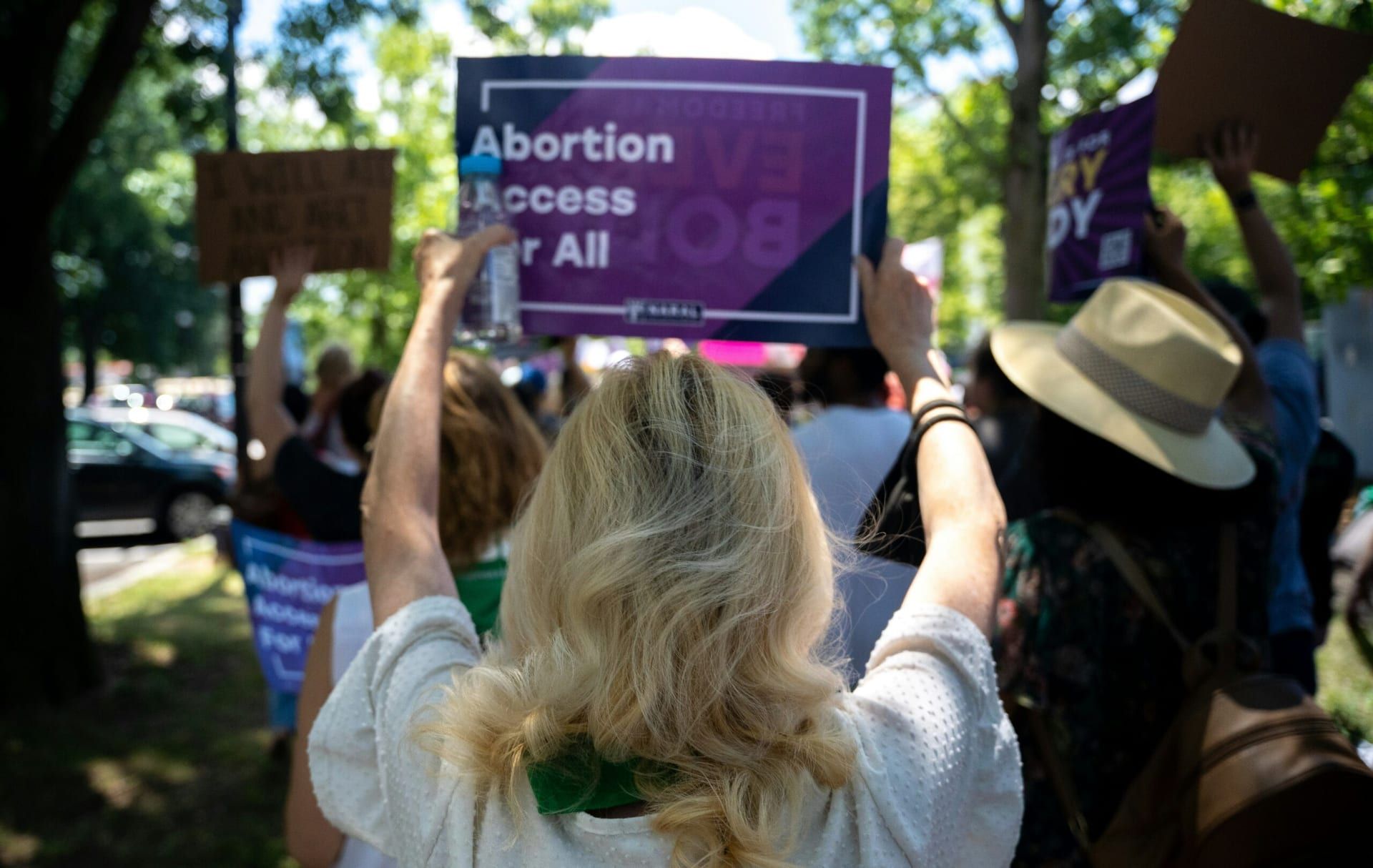
The United States Supreme Court is preparing for a landmark decision regarding a Mississippi law that could alter the landscape of abortion rights in America. This case focuses on the state's 2018 Gestational Age Act, which prohibits most abortions after 15 weeks, challenging the historic Roe v. Wade ruling that permitted abortions until about 24 weeks.
This impending decision has sparked debates, as it may pave the way for similar legislation nationwide, impacting millions and altering the legal principles governing abortion access.
Mississippi's Law Questions Established Precedents
Mississippi's Gestational Age Act has long been under scrutiny for clashing with established precedents set by Roe v. Wade. The law only allows exceptions in cases of medical emergencies or severe fetal anomalies, making it one of the most restrictive in the country.
The Supreme Court's willingness to hear this case signifies a potential shift in the interpretation of constitutional protections granted by Roe, potentially encouraging other states to enact stringent abortion laws that could challenge nearly half a century of federal abortion rights.
Impact on Marginalized Communities
There is significant concern from reproductive rights activists about the repercussions this ruling could have on women and marginalized groups. Women of color, those with low incomes, and individuals in rural areas could face the greatest challenges if access to abortion becomes more restricted.
These communities, which already encounter substantial healthcare barriers, might experience increased health disparities, making it harder to obtain necessary medical services and exacerbating existing inequalities.
Anti-Abortion Advocates See Opportunity
Anti-abortion proponents are hopeful that this case represents progress in their long-standing goal of overturning Roe v. Wade. Organizations like the Susan B. Anthony List are optimistic about the potential for new legal precedents prioritizing fetal rights, supported by the Court's conservative majority.
For these advocates, the issue extends beyond legality into moral territory, questioning the ethics of reproductive choice and aiming to establish laws that reflect their values concerning the rights of the unborn.
Political Polarization Intensifies
The case has heightened political tensions, with figures like Senator Elizabeth Warren advocating for fortified federal abortion rights, arguing that limiting access could significantly harm women's health and autonomy.
In contrast, anti-abortion leaders view this as a momentous chance to challenge existing legal frameworks, reflecting the deep-seated divide on abortion, which remains a central issue in American politics.
The Supreme Court's decision on this Mississippi law could redefine the very fabric of America's legal and social landscape. While the ruling itself will address immediate legal questions, its legacy will reverberate, influencing the ongoing national conversation about reproductive rights and individual freedoms.

New York Daily Contributor
Delia Vasquez
Covers politics and the money behind it, from the city council to Washington's effect on New York.
This article features partner, contributor, or branded content from a third party. Members of the New York Daily editorial staff were not involved in the creation of this content. All views and opinions are those of the contributor alone.