U.S. Colleges Face Economic Impact from Drop in International Students
U.S. universities may see a significant economic impact due to a projected decline of up to 40% in international student enrollment.

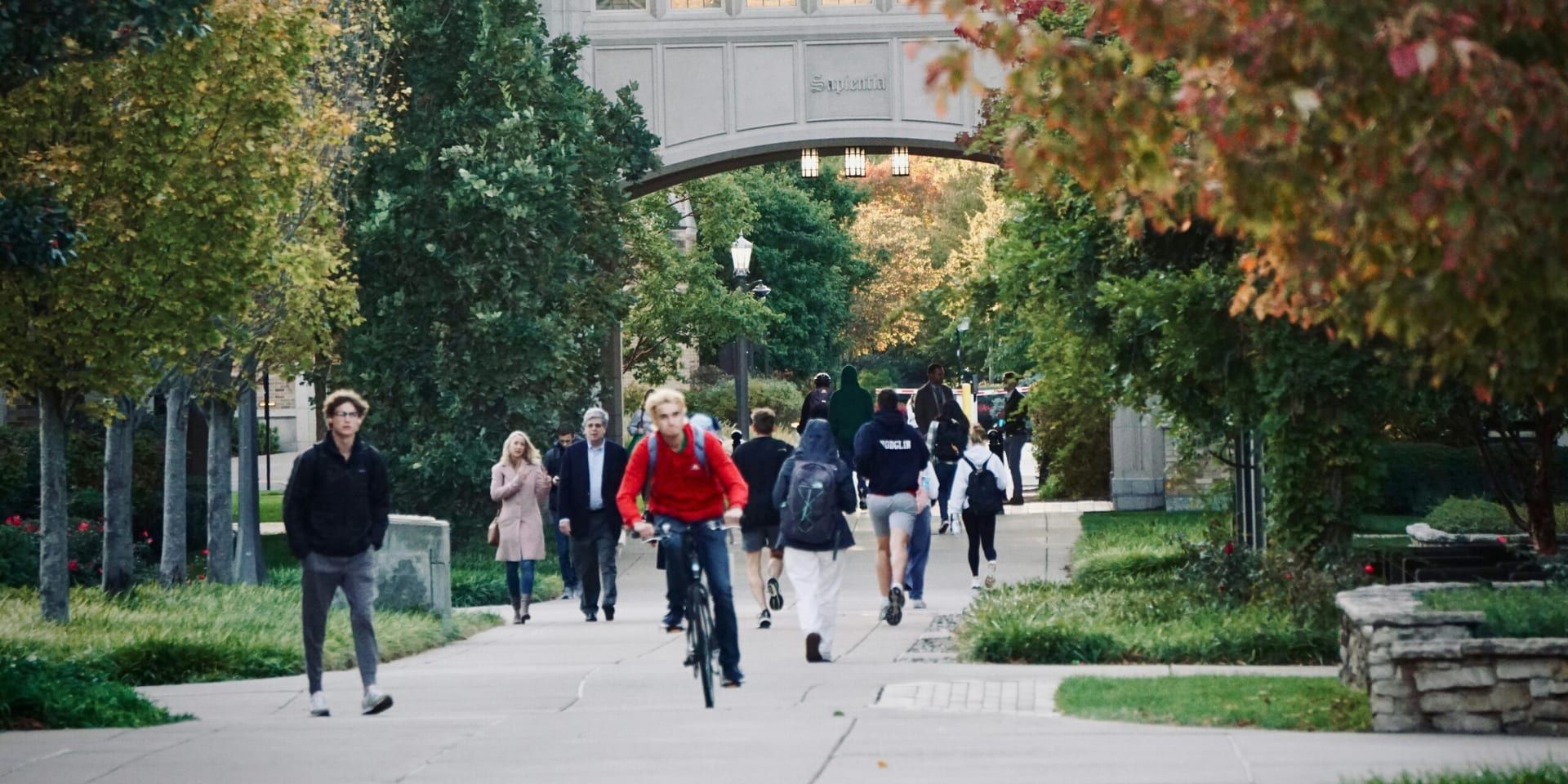
Universities across the United States are anticipating a significant downturn in international student enrollment, a situation projected to have wide-ranging economic repercussions. Forecasts suggest that this enrollment may drop between 30% and 40%, posing a substantial challenge both to educational institutions and related economic sectors.
The decline, evaluated by NAFSA: Association of International Educators in collaboration with JB International, is attributed to several factors, including delays in visa processing and heightened restrictions on travel. The resulting decrease could mean up to 150,000 fewer international students starting their studies, significantly impacting university revenues and employment within the sector.
Visa Processing Delays
Visa processing issues stand at the forefront of this decline. U.S. embassies and consulates experienced a suspension of student visa interviews during a crucial period for application processing. Although services have resumed, students face challenges securing interviews due to limited slots and intensified screening processes, including social media checks.
This situation has notably impacted students from countries like India, China, Nigeria, and Japan, where they face lengthy waits and increased scrutiny. Many students remain uncertain about their ability to commence studies on time, prompting concerns among educational institutions dependent on international tuition.
Policy Shifts and Travel Restrictions
The situation is exacerbated by broader immigration policy shifts, including a recent executive order that restricted travel from 19 countries. This, along with protracted visa processing times, has led many students to reconsider their U.S. study plans, opting instead for more accessible educational opportunities in countries such as Canada, the U.K., and Australia.
These changes threaten the United States' status as a top destination for international education, where institutions have traditionally been able to attract global talent due to their reputed academic and professional opportunities. The current climate of uncertainty may shift this dynamic, redirecting potential students elsewhere.
Academic and Economic Implications
The projected enrollment drop-off extends beyond immediate financial concerns for U.S. universities. International students are integral to fostering academic diversity and innovation, particularly in research and STEM fields. The anticipated decline could lead to a reduction in academic offerings and staff cuts, especially in smaller institutions heavily reliant on international fees.
Economically, the decrease poses a threat to local economies that benefit from international students' spending on tuition, housing, and other living expenses. The potential loss of approximately $7 billion in revenue and over 60,000 jobs further emphasizes the critical nature of this issue.
Efforts to Mitigate the Impact
Educational leaders are urging swift intervention to address these challenges. NAFSA and JB International recommend prioritizing visa processing for students and revising travel restrictions to accommodate educational commitments. Such changes could help avert long-term damage to both the economic and cultural fabric of U.S. higher education.
In response, universities are developing contingency strategies. These include enhancing online courses, allowing for late student arrivals, and encouraging enrollment deferrals to future semesters. Despite these efforts, overcoming the hurdles of visa and travel uncertainties remains a pressing concern.
The anticipated decline highlights the complex interplay between national security measures and the economic and academic interests at stake. As the new academic term looms, the focus will be on the actions of U.S. policymakers and institutions to maintain the country's esteemed position in the global education landscape.

New York Daily Contributor
Delia Vasquez
Covers politics and the money behind it, from the city council to Washington's effect on New York.
This article features partner, contributor, or branded content from a third party. Members of the New York Daily editorial staff were not involved in the creation of this content. All views and opinions are those of the contributor alone.