World Cup 2026: A Cultural and Economic Boom Across the U.S.
The 2026 FIFA World Cup brings expanded teams and fans, boosting the U.S. economy and cultural exchange during its widespread matches.

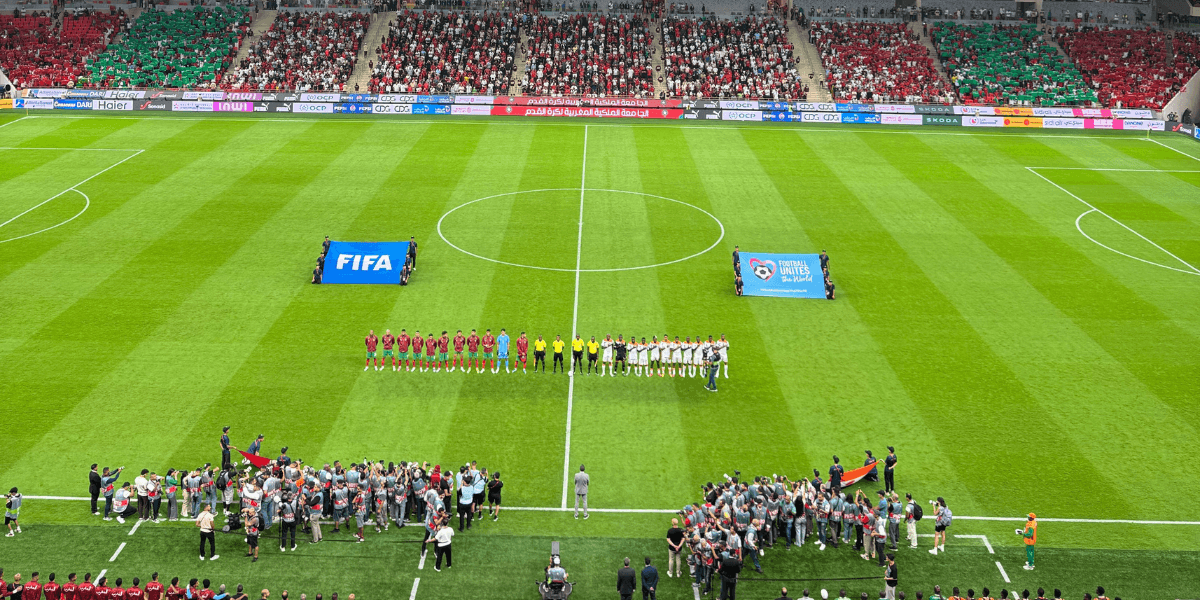
The 2026 FIFA World Cup is capturing global attention as it unfolds across host cities in the United States, marking an historic moment in sports. This tournament, the largest of its kind, involves 48 national teams and spans three host countries, with the U.S. playing a central role.
This World Cup presents an unprecedented opportunity for the U.S., as millions of viewers worldwide tune in to matches. The event is not just a celebration of soccer but also an engine for economic growth and cultural interaction in American cities.
A Milestone for American Cities
The U.S. is showing off its diverse cities to a global audience, welcoming fans from all over. The tournament's matches are hosted in various metropolitan areas, each having meticulously prepared for the influx of international visitors over the years.
With billions watching worldwide, cities can highlight their unique attractions and cultural landscapes. This influx of activity has energized local businesses, from hotels and restaurants to public spaces, all buzzing with fans and festivities.
The fan zones and public events across the nation allow people to join in the excitement even if they aren't attending the matches in person, fostering community spirit and international camaraderie.
Impact of the Expanded Format
The World Cup's expanded format has introduced more diversity into the competition. With 48 teams, the event has brought a wider range of international representation, giving countries that struggled to qualify in the past a chance to shine on soccer's biggest stage.
This broader field means more matches and a greater spread of activity, drawing increased attendance and interest from around the globe. The change reflects soccer's growth in popularity and FIFA's goal to make the sport more accessible.
For the U.S., this expansion translates into more widespread engagement and heightened global interest, further embedding the sport in American culture.
Economic and Hospitality Boost
The economic ripples of the World Cup extend beyond the matches. Cities hosting the event report spikes in tourism-related industries, with hotels, restaurants, and transport services experiencing significant demand.
This boost is seen as both a short-term influx and a long-term investment, as the media coverage increases future tourism prospects. The visibility from the tournament can attract subsequent business and travel long after the final whistle.
The tournament is already proving to be a boon for multiple sectors of the U.S. economy as it showcases American hospitality on the world stage.
Cultural Interactions and Exchanges
Beyond the economic benefits, the World Cup serves as a platform for cultural exchange. Fans from various countries gather in American cities, sharing their traditions and fostering cross-cultural connections.
Many communities are capitalizing on this by organizing cultural events and festivals that celebrate international diversity, bridging gaps between residents and visitors. These interactions highlight the multicultural essence of American society.
The shared passion for soccer creates a unifying experience that transcends cultural and national boundaries, offering a chance for fans and athletes alike to engage and learn from one another.
As the tournament continues, the United States stands as more than just a host, but as a vibrant hub of cultural and economic activity. The World Cup's legacy will likely influence the country's sporting and cultural landscape for years to come, leaving an indelible mark on both the nation and its visitors.

New York Daily Contributor
Delia Vasquez
Covers politics and the money behind it, from the city council to Washington's effect on New York.
This article features partner, contributor, or branded content from a third party. Members of the New York Daily editorial staff were not involved in the creation of this content. All views and opinions are those of the contributor alone.