NYC Subway Accessibility Transformation Begins
New York City subway embarks on a $2 billion project to enhance accessibility, benefiting millions with elevators, platform improvements, and digital innovations.

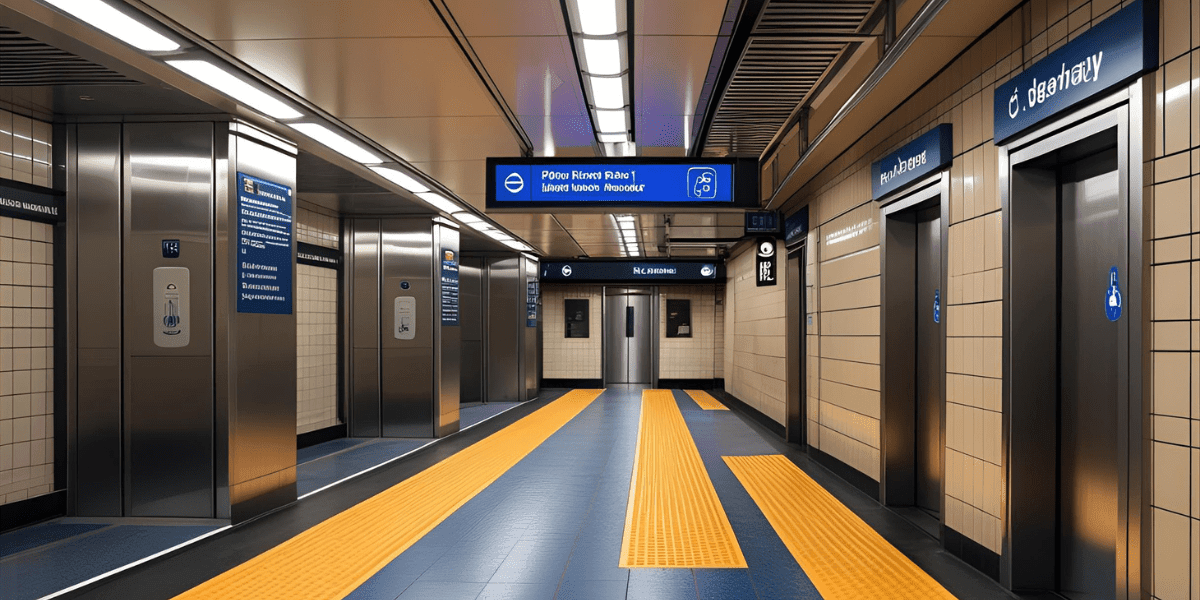
The New York City subway system is embarking on a groundbreaking transformation aimed at boosting accessibility for all riders. Spearheaded by the Metropolitan Transportation Authority (MTA), this extensive $2 billion project is set to enhance the transit experience, particularly for individuals with disabilities and older commuters who have long faced challenges navigating the subway.
This initiative marks a significant step in modernizing the subway and aims to cater to a more inclusive demographic, ensuring that every New Yorker can travel with ease and dignity.
Commitment to Accessibility
The MTA's ambitious plan includes the installation of elevators in key stations throughout the subway network, a change that promises to transform accessibility for commuters with mobility impairments. This is part of a larger effort to address the needs of those who find the traditional subway layout challenging.
In addition to elevators, the project encompasses renovation of platforms and entryways to make them wider and more accommodating. Moreover, tactile paving is being introduced to aid visually impaired riders, ensuring safe and reliable access to subway platforms and trains.
Integrating Digital Technology
Technological advancements are a cornerstone of this overhaul. The MTA is implementing cutting-edge digital signage and audio systems designed to assist riders with hearing impairments. These improvements will make critical transit information more accessible and understandable for all commuters.
Additionally, enhancements to the ticketing systems are underway, aimed at providing a more seamless and user-friendly experience. These measures are designed to accommodate all users, regardless of physical or cognitive abilities, creating a more welcoming transit environment.
Strategic Rollout in Key Areas
The rollout of these improvements is strategically focused on high-traffic stations, including those near major hubs like Penn Station and Grand Central Terminal. These areas are vital due to the enormous number of commuters they serve daily, making them priority targets for the first phase of upgrades.
While the initial phase targets these prominent locations, the MTA’s long-term vision includes extending these accessibility features across the entire subway system. The ultimate goal is to make transit equally accessible to all New Yorkers, no matter where they start or end their journey.
Meeting Future Goals
This project is part of a broader mission to achieve 75% accessibility throughout New York City's subway stations. The endeavor aims to overhaul the system to better serve the approximately 5.5 million daily riders, many of whom have faced long-standing barriers to efficient and equitable transit.
The improvements promise to significantly ease the daily commute for individuals with disabilities and those who have previously struggled with the subway’s limitations. By the end of the initiative, the MTA aims to set a standard for transit accessibility that aligns with New York City's reputation as an inclusive global metropolis.
In summary, the MTA's $2 billion investment in subway accessibility is more than just infrastructure; it is a commitment to inclusivity and progress. These changes are poised to redefine the commuting experience for millions, emphasizing that accessibility is a crucial pillar in the future of urban transportation.

New York Daily Contributor
August Brennan
Covers the five boroughs — City Hall, the agencies and the neighbourhoods they answer to.
This article features partner, contributor, or branded content from a third party. Members of the New York Daily editorial staff were not involved in the creation of this content. All views and opinions are those of the contributor alone.