NYC Schools to Provide Free Meals to All Students Citywide
New York City's public schools will offer free breakfast and lunch to all students in an effort to combat food insecurity and enhance academic performance.

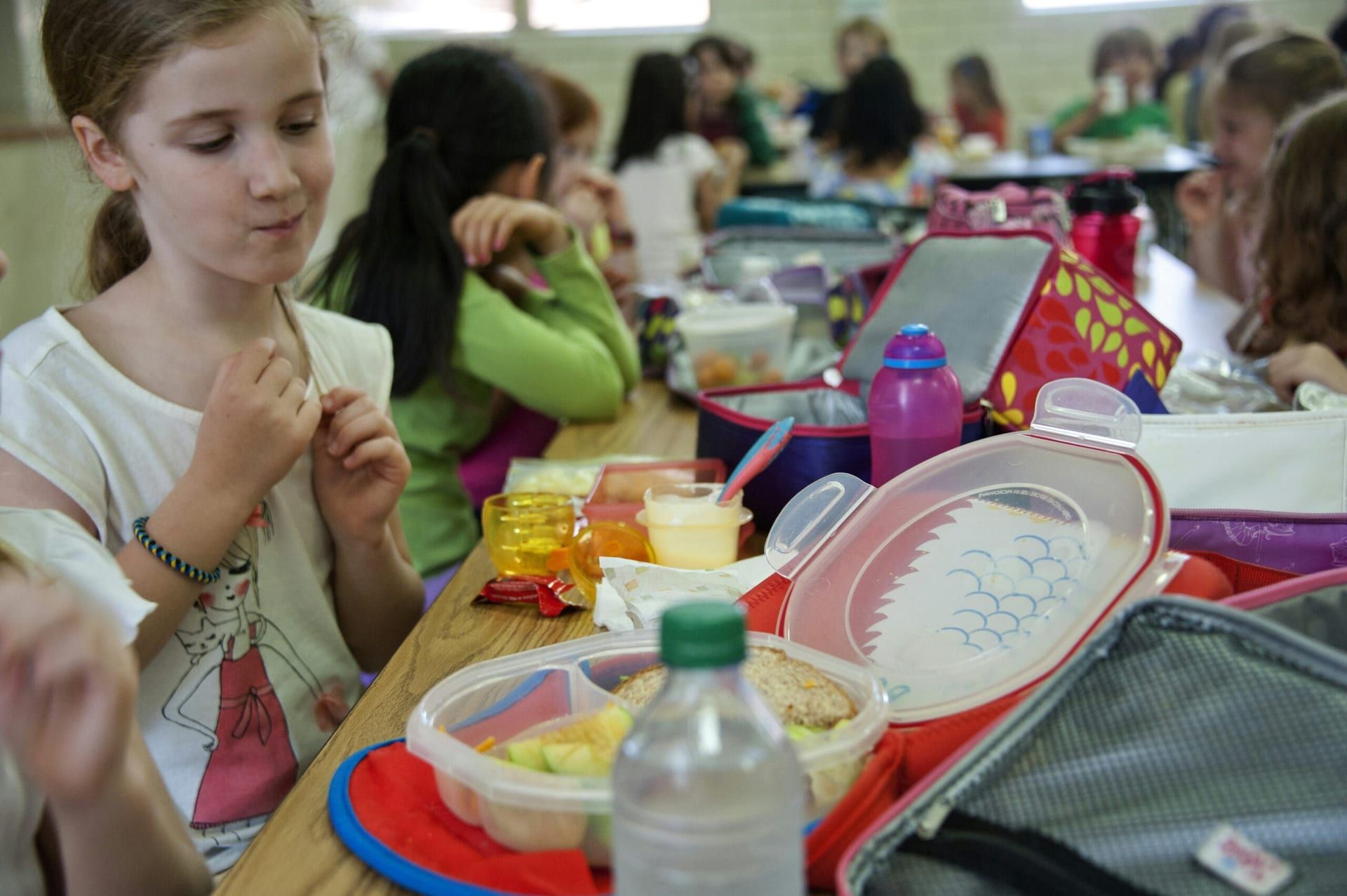
New York City is making strides in tackling food insecurity by offering free breakfast and lunch to all students in its public school system. This initiative, introduced by Mayor Eric Adams, seeks to ensure that more than 1 million students have access to nutritious meals during school hours, promoting equity and supporting academic achievement.
By eliminating financial barriers to school meals, the city aims to improve the well-being and educational outcomes of its diverse student population. The program is a part of a broader push to reduce disparities and provide all children with the resources they need to succeed.
The Scope and Funding of the Initiative
Serving over 1 million students, New York City's extensive public school system is poised to implement this significant policy. The comprehensive program will include students from kindergarten through high school, giving them access to nutritious meals without additional financial burden on families.
Funding this ambitious project, which is estimated to cost approximately $300 million annually, involves contributions from state and federal sources as well as partnerships with private food providers. Despite this substantial investment, the anticipated benefits—improved child health and reduced food insecurity—are predicted to outweigh the expenses over time.
Nutritional and Educational Goals
The program is not simply about providing food, but about ensuring that the offerings are healthy and balanced. Students will receive meals that include fresh fruits, vegetables, whole grains, and lean proteins, with an emphasis on fostering lifelong healthy eating habits.
Enhanced nutrition is expected to lead to better academic performance. Research indicates that students with access to nutritious meals perform better scholastically, attend school more regularly, and exhibit fewer behavioral issues. The program aims to reduce obesity and diet-related health problems, particularly in low-income communities.
Community and Expert Support
The initiative has garnered widespread acclaim from various stakeholders, including educators and health professionals. Schools Chancellor David Banks and health experts have praised the move as a vital step towards leveling the playing field for students from all backgrounds.
Dr. Jennifer Lee of the New York Health Department highlighted the importance of school meals, affirming that providing free, nutritious meals to all students sets a significant precedent nationwide. The program is seen as a commitment to the health and academic success of every child in the city.
Challenges and Broader Implications
While the initiative is met with enthusiasm, logistical challenges remain. Efficiently delivering nutritious meals to a large student population requires precise planning and coordination among various city departments.
Ensuring that the meals are both appealing and nutritious stands as another hurdle. To address this, the city will collaborate with nutritionists and food providers to design meals that meet dietary standards while also being attractive to students.
By implementing this program, New York City is setting an example for other urban districts, with the potential to inspire similar initiatives aimed at combating childhood hunger and promoting health across the nation. This move strengthens the city's dedication to providing equitable opportunities for all its students.

New York Daily Contributor
August Brennan
Covers the five boroughs — City Hall, the agencies and the neighbourhoods they answer to.
This article features partner, contributor, or branded content from a third party. Members of the New York Daily editorial staff were not involved in the creation of this content. All views and opinions are those of the contributor alone.