NYPD's New Pilot Redirects Nonviolent Calls to Specialists
The NYPD initiates a pilot program to better handle nonviolent emergency calls by involving mental health professionals and social workers.

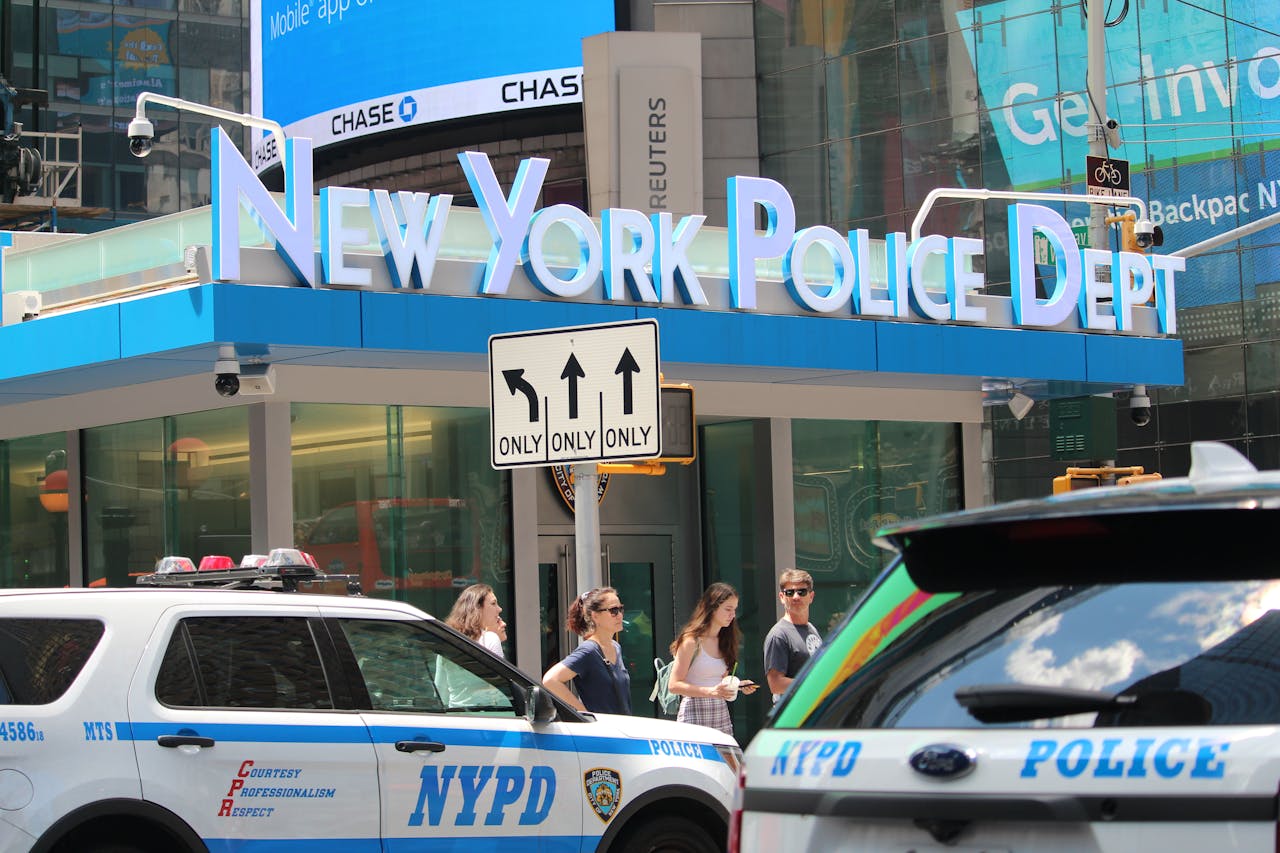
In a groundbreaking move to enhance the city’s emergency response framework, the New York Police Department (NYPD) is experimenting with a pilot program that aims to redirect certain nonviolent 911 calls to mental health experts and social workers. This initiative, currently limited to specific areas in the Bronx and Brooklyn, is designed to address issues such as mental health crises, homelessness, and substance abuse with more appropriate interventions than traditional police responses provide.
With a focus on improving outcomes and reducing the stigma associated with these situations, the program embodies a shift towards community-focused policing. This marks a significant step in addressing the city's complex public safety needs with a more nuanced approach.
Community-Centric Policing Principles
Police Commissioner Keechant Sewell emphasizes that the pilot is an extension of community-centric policing ideals. “Not every emergency call requires an armed response,” she stated, underscoring the importance of having the right professionals address the right situations. By allowing trained mental health professionals to lead in instances that involve crises rather than criminal behavior, the NYPD aims to cultivate a more humane form of public safety that aligns with these principles.
Such a strategy not only hopes to improve the immediate management of crises but also seeks to build trust within the community, fostering a cooperative atmosphere between residents and law enforcement officials.
Support from Reform Advocates
The reaction from reform advocates has been overwhelmingly positive. Jumaane Williams, New York City’s Public Advocate, has been a vocal supporter of the initiative. He argues that treating mental health crises as medical issues rather than criminal ones represents a pivotal shift in public policy. Advocates see the program as a critical step in correcting systemic failures that have long plagued traditional policing methods.
This support highlights a broader societal recognition that mental health and social issues require specialized care, which could lead to better long-term outcomes for affected individuals and communities.
Concerns Raised by Critics
Despite its noble intentions, the program has faced skepticism, particularly from those worried about safety. Critics argue that sending unarmed responders into potentially volatile situations could endanger both the responders and the communities they serve. Police unions have expressed particular concern about the absence of police backup in certain scenarios that might escalate without warning.
These reservations underline the need for meticulous planning and abundant resources to ensure the program’s success and the safety of all involved. Addressing these concerns is crucial for the program's broader acceptance and potential citywide implementation.
Measuring Program Impact
To assess its effectiveness, officials will conduct a detailed evaluation over six months, examining metrics like response times, intervention outcomes, and community satisfaction. This analysis will not only gauge the current pilot's success but also provide invaluable data that could shape future iterations of the program.
If results indicate positive outcomes, there is potential for the program to be scaled citywide. Such a development could serve as a blueprint for other urban areas looking to reform their emergency response systems.
The NYPD's initiative represents an important shift in public safety strategy, centering on the use of specialized professionals to handle crises involving mental health, homelessness, and substance abuse. While the program has stirred both hope and concern, its true measure of success will depend on careful evaluation and the feedback of the communities it aims to serve. As urban environments across the nation reevaluate their public safety frameworks, New York's experience could offer crucial insights into fostering improved relationships between the community and law enforcement agencies.

New York Daily Contributor
August Brennan
Covers the five boroughs — City Hall, the agencies and the neighbourhoods they answer to.
This article features partner, contributor, or branded content from a third party. Members of the New York Daily editorial staff were not involved in the creation of this content. All views and opinions are those of the contributor alone.