NY Schools Lead the Way with Required Climate Education
New York mandates climate change education from K-12, focusing on climate science, sustainability, and environmental justice for a greener future.

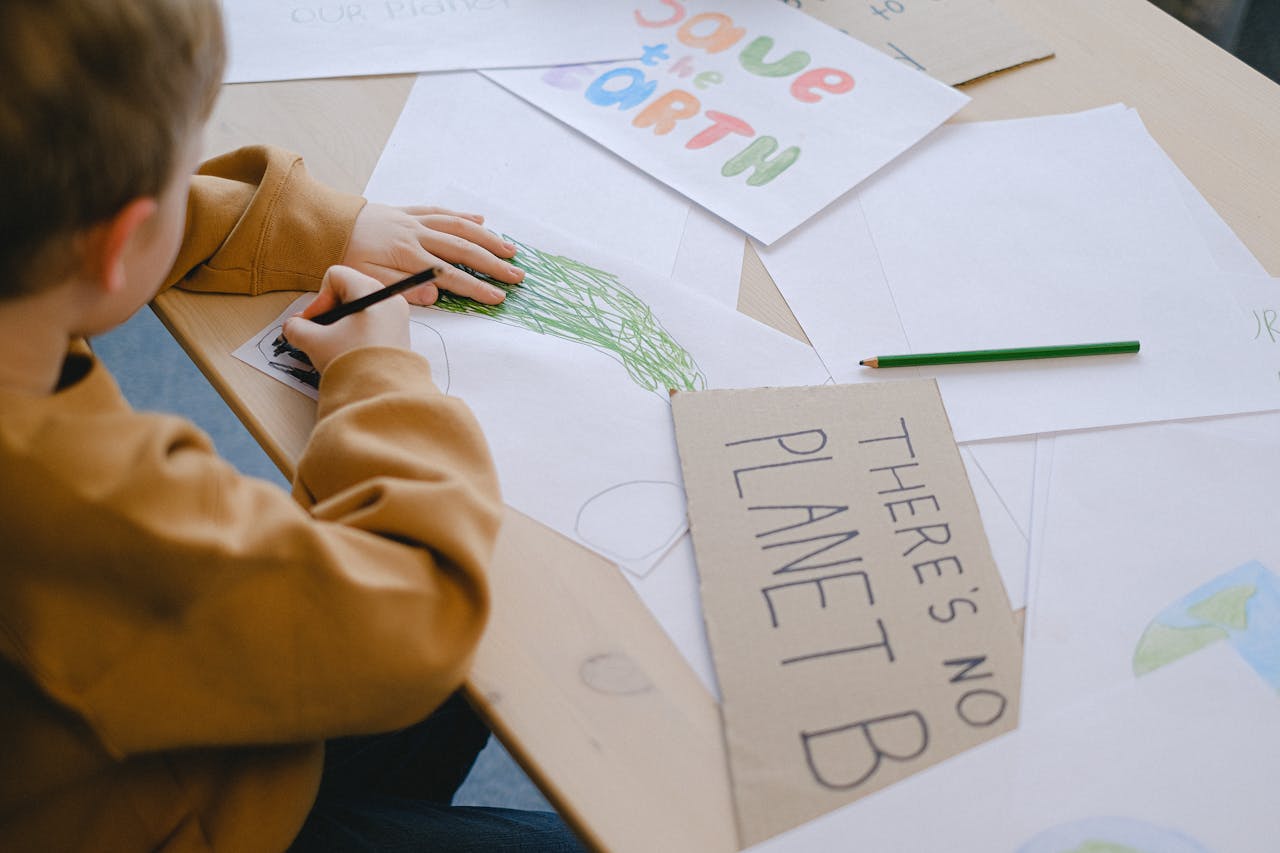
In a groundbreaking move, New York has become the first U.S. state to implement mandatory climate change education for all public school students. This decision by the state Board of Regents introduces a comprehensive curriculum covering climate science, sustainability, and environmental justice from kindergarten through 12th grade, signaling a significant shift in educational priorities.
This initiative redefines environmental education, embedding it as a core component of students' academic experiences to better prepare them for future challenges.
Expanding Educational Horizons
David Banks, Schools Chancellor, emphasizes that this isn't merely an addition to science classes. The new curriculum aims to prepare students for future challenges and opportunities by exploring essential topics such as renewable energy, global warming impacts, and hands-on projects like school gardening. These practical experiences are designed to deepen students' understanding and inspire proactive engagement with ecological issues.
By broadening the scope of education to include these vital subjects, the state hopes to cultivate a generation ready to face the environmental challenges ahead.
Advocates Applaud the Move
Environmental groups have warmly welcomed New York's decision. Gina McCarthy, a former EPA administrator and current climate advisor, highlighted education's role in empowering future generations to address the climate crisis effectively. She applauded the initiative as both bold and necessary, emphasizing its potential to equip young people with the tools to become informed citizens committed to sustainability.
This support underscores the belief that climate education is crucial in developing future leaders capable of making informed environmental decisions.
Challenges and Concerns
While the initiative has received widespread acclaim, it also faces critiques, particularly regarding its impact on underfunded schools. Critics argue that the introduction of a new curriculum demands significant resources, including new materials and teacher training. These concerns are especially pertinent in low-income districts, where existing infrastructure may already be stretched thin.
In response, state officials have pledged to provide grants and support for material costs and teacher training, acknowledging these challenges while committing to the program's successful implementation.
Looking to the Future
The climate curriculum is set to launch with an annual evaluation process to assess its effectiveness. This systematic review will allow educators to fine-tune the program, ensuring it meets educational goals and resonates with students. Many in the education sector view this as a hopeful step toward integrating environmental consciousness into everyday learning.
By setting this precedent, New York paves the way for other states to consider similar mandates, potentially transforming national educational standards regarding environmental issues.
New York's decision to integrate climate education into its public schools represents a pivotal moment in both educational policy and environmental stewardship. Acknowledging the need for thorough preparation in the face of environmental challenges, the state aims to inspire other regions to follow suit, further embedding climate education into the national consciousness.

New York Daily Contributor
August Brennan
Covers the five boroughs — City Hall, the agencies and the neighbourhoods they answer to.
This article features partner, contributor, or branded content from a third party. Members of the New York Daily editorial staff were not involved in the creation of this content. All views and opinions are those of the contributor alone.