Addressing NYC's Housing Crisis: Challenges and Solutions
New York City's affordable housing crisis poses a significant challenge, impacting diverse communities and essential workers who struggle with rising rents.

New York City, often celebrated for its cultural richness and diversity, is facing a profound challenge: an affordable housing crisis. As rents escalate and the development of new affordable units fails to keep up, many residents are grappling with the prospect of being priced out of their beloved city. This situation is particularly hard on low- and middle-income families, healthcare workers, and young professionals who find themselves struggling to remain within reach of their communities. Here, we delve into the disparity between luxury and affordable housing, the city’s responses, and possible solutions for this pressing issue.
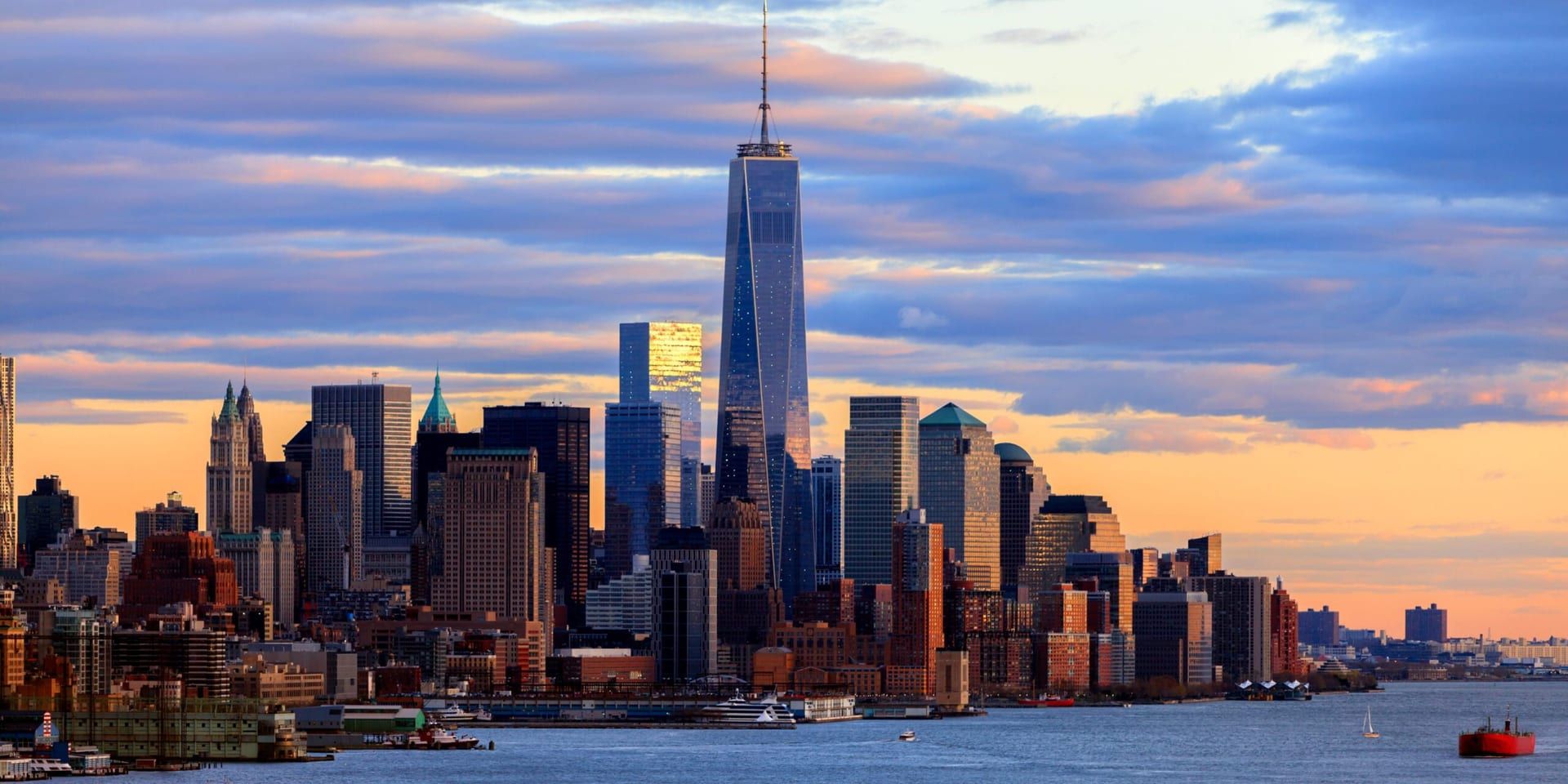
Luxury high-rises and opulent developments have transformed New York City's skyline, especially in Manhattan, over the past decade. These projects cater to affluent residents, offering lavish amenities like rooftop pools and state-of-the-art fitness centers. However, the expansion of affordable housing has not matched this pace, leading to a significant gap. The average rent in Manhattan exceeds $4,000 per month while household incomes lag behind, leaving more than half of the city's renters spending over 30% of their income on housing.
Luxury Developments and the Affordable Housing Divide
The city’s real estate market has been markedly reshaped by the proliferation of luxury developments. These upscale properties continue to rise, benefiting from substantial tax incentives, yet contribute little to addressing the affordable housing shortfall. This trend exacerbates the imbalance wherein wealthy residents enjoy premium living conditions, whereas essential workers and the middle-income bracket are pushed further from their workplaces and communities.
Critics argue that these incentives divert public resources away from projects that could genuinely benefit the city's lower-income populations. The ensuing disparity not only prices out key workers but also fractures communities, making it increasingly difficult for workers like teachers and healthcare providers to find affordable homes near their jobs. As a result, they face longer commutes and higher transportation costs, with some even risking job loss due to distance challenges.
Efforts and Challenges in Housing Policy
In response, New York City has rolled out initiatives aimed at mitigating the housing crisis. Zoning reforms designed to boost residential density in high-demand areas are intended to increase housing supply and, by extension, affordability. The city's ambitious “Housing New York” plan seeks to create or preserve 300,000 affordable units, aiming to maintain rent-stabilized apartments and incentivize affordable development.
Despite these efforts, the city struggles to meet the overwhelming demand. While rent control policies remain crucial for preserving affordability, critics suggest that these measures fall short in halting rent surges, particularly in rapidly gentrifying neighborhoods. The pressure to increase affordable housing stock remains a critical concern, indicating that more needs to be done to stabilize housing costs and secure the living conditions of the city's diverse workforce.
Solutions from Experts and Advocates
Urban planners and housing advocates offer several potential strategies to address this crisis. Strengthening public-private partnerships can be a vital step, allowing developers to contribute to affordable housing in exchange for benefits like tax incentives. Such collaborations could help increase the availability of affordable units without imposing heavy financial burdens on taxpayers.
High-density, mixed-use developments that integrate residential, commercial, and recreational spaces have gained traction as a means to maximize land use effectively. These modern approaches, along with innovative construction methods like modular housing, promise to deliver affordable options more efficiently and rapidly.
Inclusionary zoning, which mandates a portion of new developments to be reserved for affordable units, is another strategy that could expand the housing stock accessible to all income levels. Meanwhile, reinforcing rent stabilization and offering rental subsidies could provide immediate relief to susceptible residents, helping prevent displacement and ensuring community stability.
Social and Economic Implications of Displacement
The displacement of long-standing residents due to increasing rents has profound social and economic implications. Communities are disrupted, and with them, the support networks and cultural identities built over decades. This phenomenon not only impacts individuals but also deepens existing racial and economic divides within the city.
The broader consequences of displacement manifest in the city's social fabric, threatening to increase segregation and challenge efforts towards inclusivity. Addressing these issues requires a holistic approach that values community preservation alongside economic growth.
The city's affordable housing crisis is a multifaceted challenge that demands innovative and coordinated efforts to safeguard its future. Through comprehensive strategies that embrace public-private collaboration, zoning reforms, and enhanced tenant protections, New York City can work towards a more inclusive and equitable housing landscape, ensuring that all residents can continue to call it home.

New York Daily Contributor
August Brennan
Covers the five boroughs — City Hall, the agencies and the neighbourhoods they answer to.
This article features partner, contributor, or branded content from a third party. Members of the New York Daily editorial staff were not involved in the creation of this content. All views and opinions are those of the contributor alone.