Understanding Preparedness for Atlantic Hurricane Season
The Atlantic hurricane season prompts vital preparation across U.S. coastal and flood-prone states to mitigate storm impacts and safeguard lives.

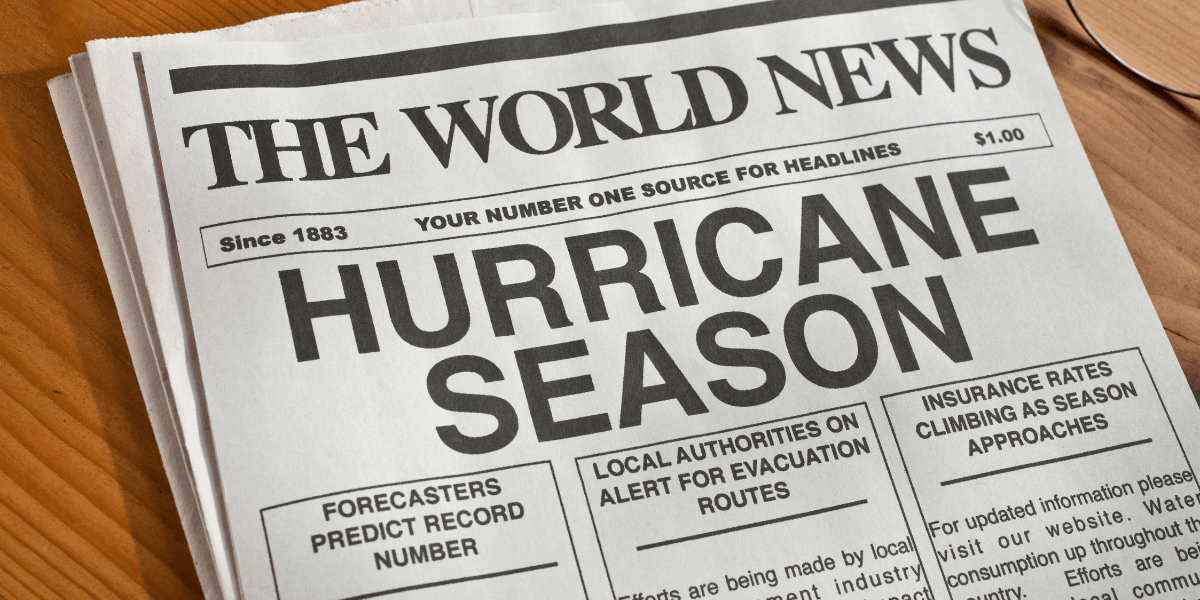
Every year, the Atlantic hurricane season ushers in a period of increased tropical storm activity affecting the United States, especially along the Eastern Seaboard and Gulf Coast. Spanning from early June to late November, this time of year sees heightened efforts from meteorologists, government agencies, and communities to brace for potential hurricanes. For millions residing in coastal and flood-prone regions, this season demands readiness and vigilance.
At the national and local levels, preparedness for the hurricane season is a well-coordinated effort. This involves meticulous planning and resource mobilization to address the challenges posed by these powerful storms. From reinforcing infrastructure to ensuring public safety, diverse strategies are implemented to minimize the impacts of hurricanes.
Coordinated National Preparedness
Federal and state agencies view the start of hurricane season as critical for operational readiness. Areas along the Gulf and Eastern Seaboard face direct threats from landfalling storms, but their effects can be felt far inland. Beyond the coastline, heavy rains, flooding, and power outages can affect vast areas.
Proactive preparation is crucial. Once a storm forms, logistical constraints often limit response options. Therefore, families are urged to plan early by setting evacuation routes, stockpiling supplies, and keeping communication lines open. Local governments fine-tune emergency alerts, evaluate shelter readiness, and work with utilities and hospitals to bolster response capabilities.
Advancements in Forecasting
Meteorologists utilize advanced technologies like satellite imagery, sensors, and computer models to track and forecast hurricanes. While predicting storm paths has seen significant advancements, forecasting intensity remains challenging due to rapid storm changes near coastlines.
Continuous weather monitoring is essential, as sea temperatures and wind patterns influence storm formation. Despite challenges, improved forecasting helps communities better prepare for potential impacts, even if the precise storm count each season remains uncertain.
Role of Emergency Management Agencies
The Federal Emergency Management Agency (FEMA) spearheads initiatives encouraging public readiness. Communities are guided to prepare disaster kits with essential supplies and documents. State and local agencies identify evacuation zones and ensure shelters are accessible to vulnerable populations.
Communication strategies are continuously refined to deliver timely alerts when storms pose imminent threats. These integrated efforts aim to safeguard lives and reduce damage during hurricane events by promoting public awareness and action.
Strengthening Community Infrastructure
Preparing for hurricane season extends beyond individual actions; it encompasses comprehensive infrastructure readiness. Utilities evaluate grids for resistance to weather impacts, and municipalities enhance drainage systems to handle heavy rainfall.
Healthcare facilities ensure backup systems are in place, and transportation agencies optimize evacuation plans. Coastal areas invest in flood barriers and stormwater management, while inland regions bolster infrastructure against flash floods from slow-moving storms.
Economic and Social Considerations
The economic repercussions of hurricane season are vast, affecting insurance, business continuity, and infrastructure. Hurricanes historically cause massive property and agricultural damage. Even non-landfalling storms can disrupt supply chains and halt commerce.
The social dimension involves reinforcing the culture of preparedness. Community experiences with past storms fuel public campaigns emphasizing that readiness mitigates a range of potential outcomes. Ultimately, preparedness is not a one-time task but a continual responsibility.
As the hurricane season unfolds, consistent preparation is key to mitigating risks and ensuring safety. Authorities stress that early planning and understanding local emergency protocols are crucial. Taking small but significant steps can greatly reduce the adverse effects of severe weather events. Emphasizing that preparedness saves lives, the season is a vital reminder of our collective responsibility to remain vigilant and ready.

New York Daily Contributor
Delia Vasquez
Covers politics and the money behind it, from the city council to Washington's effect on New York.
This article features partner, contributor, or branded content from a third party. Members of the New York Daily editorial staff were not involved in the creation of this content. All views and opinions are those of the contributor alone.