Comprehensive Security Strategy for 2026 World Cup in North America
With the 2026 FIFA World Cup on the horizon, U.S. authorities are finalizing security measures for the extensive event across multiple cities.

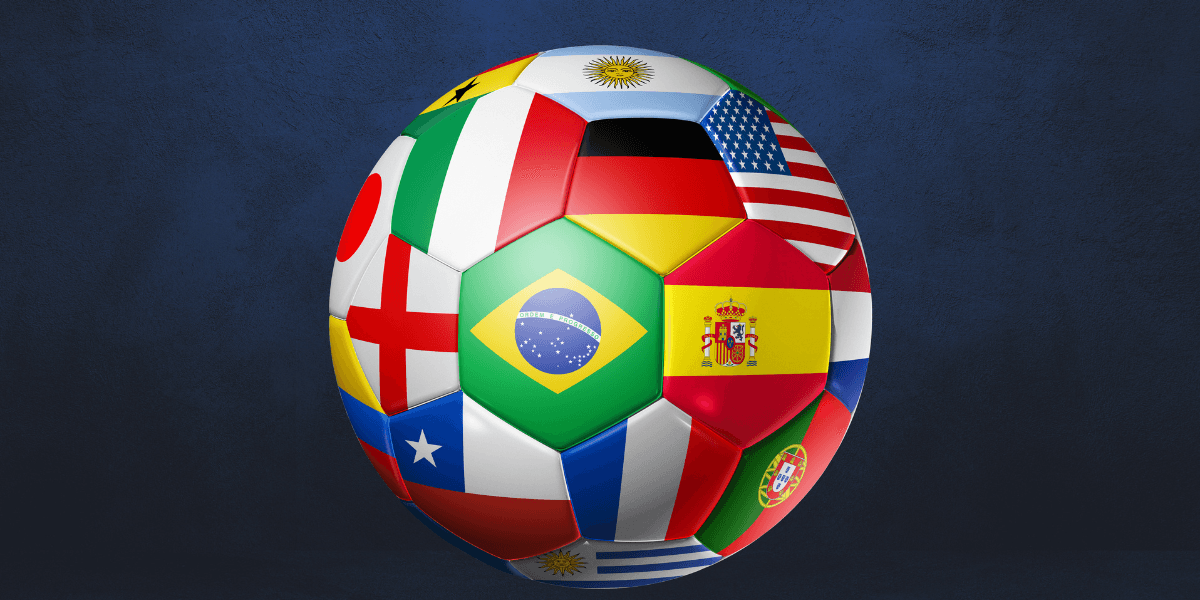
With the 2026 FIFA World Cup approaching, the United States is ramping up its security operations to host the event. This prestigious tournament, hosted in collaboration with Canada and Mexico, involves numerous national and local agencies in a concerted effort to ensure safety and efficiency.
Given the scale and significance of the World Cup, which will feature 48 teams competing in 104 matches, the stakes are particularly high. The U.S. will host most of the matches, necessitating robust security protocols and streamlined coordination among various stakeholders.
Multi-Agency Coordination
The complexity of managing the World Cup is underscored by the need for collaboration among federal, state, and local bodies. Authorities have devised joint command structures to manage operations seamlessly across different levels of government and sectors.
By pooling resources and intelligence, these agencies aim to address potential security threats swiftly and efficiently, ensuring a safe and enjoyable experience for millions of attendees.
Transportation and Infrastructure
The anticipated surge in visitors necessitates meticulous planning in transportation. Host cities are gearing up for increased passenger traffic, with transit agencies recalibrating schedules and capacity to meet demand.
Efficient coordination across airports, rail systems, and highways is crucial to managing the flow of fans traveling between venues, making transportation a pivotal element of the overall strategy.
Technological Integration
Technology plays a vital role in the World Cup's security and logistical preparations. Advanced systems for monitoring, communication, and emergency response have been integrated to enhance situational awareness.
As digital infrastructure underpins many aspects of the event, safeguarding against cyber threats is equally important, with cybersecurity measures being a fundamental component of the overall strategy.
Economic and Cultural Impact
The World Cup is not just a sporting event but a catalyst for economic activity in host cities. Sectors such as hospitality, retail, and transportation are expected to see significant boosts, providing a welcome opportunity for local businesses.
Culturally, the event offers a platform to celebrate diversity and showcase regional attractions to a global audience, potentially spurring future tourism and economic growth.
As the countdown to the World Cup continues, the meticulous preparations underscore the scale of the endeavor. The United States is on the brink of welcoming the world, ready to ensure a memorable and secure event that extends its impact well beyond the matches themselves.

New York Daily Contributor
Delia Vasquez
Covers politics and the money behind it, from the city council to Washington's effect on New York.
This article features partner, contributor, or branded content from a third party. Members of the New York Daily editorial staff were not involved in the creation of this content. All views and opinions are those of the contributor alone.