TikTok's Future in Limbo Amid Extended U.S. Divestiture Deadline
The Trump administration's decision to extend TikTok's divestiture deadline has sparked debates over national security and U.S.-China relations.

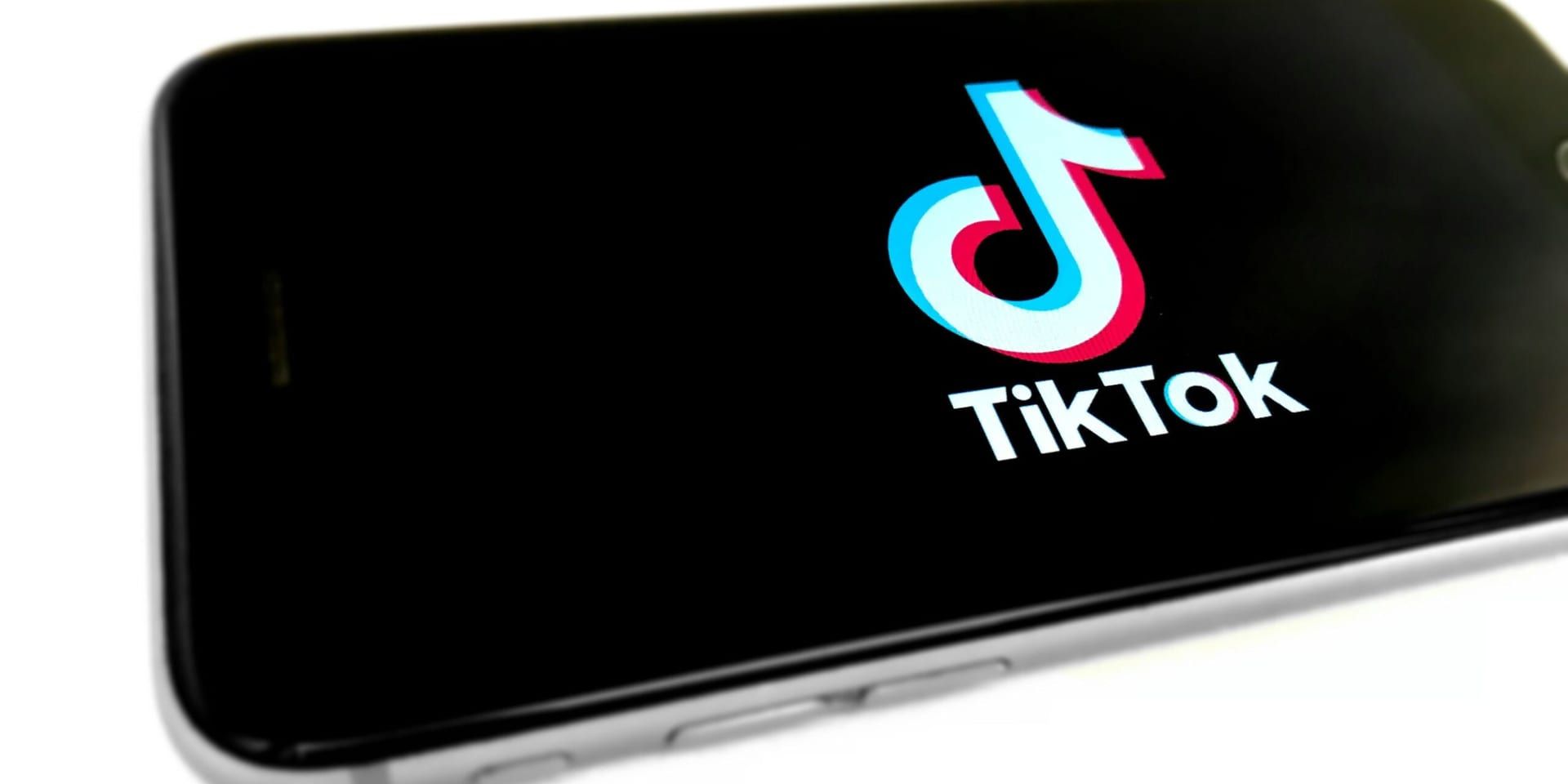
TikTok’s operations in the United States are once again caught in the crosshairs of political debate following President Donald Trump’s extension of the deadline for ByteDance, its Chinese owner, to divest its U.S. assets. While negotiations between ByteDance and potential American buyers continue, this decision has ignited controversy on both sides of the political spectrum.
The implications of this latest extension go beyond immediate national security concerns, potentially affecting U.S.-China relations and setting precedents for the operation of foreign tech companies in America.
The Origins of TikTok's U.S. Challenges
Concerns about TikTok's influence and security risks have been at the forefront of American political discourse since lawmakers raised alarms years ago. The app’s potential use in data collection and surveillance by the Chinese government led to stringent scrutiny and subsequent legislation demanding ByteDance to sell its U.S. operations.
Originally, the divestiture deadline aimed to mitigate these security fears by requiring ByteDance to secure a U.S. buyer. As extensions to this deadline continue, the debate over TikTok’s future gains complexity, with no resolution yet in sight.
Political Divide: Differing Perspectives
The extension has created a rift among lawmakers, sparking criticism from Democrats who view the delays as a failure to uphold national security and legislative authority. To them, the ongoing operation of TikTok under ByteDance contravenes the intent behind the divestiture requirement, raising concerns over foreign influence in sensitive technological sectors.
Conversely, some Republicans argue that extending the deadline allows for a more thorough approach to securing a divestiture deal that addresses national security risks. They emphasize the importance of ensuring that any transaction fully mitigates potential espionage threats.
Legal and Security Concerns: How Much Power Does the President Have?
The repeated extensions have also stirred debates about the limits of presidential power in the enforcement of laws passed by Congress. Legal analysts question whether the executive branch possesses the authority to unilaterally extend such deadlines, highlighting potential overreach.
National security specialists continue to voice skepticism about TikTok's data policies, warning that the app’s U.S. user data might be susceptible to misuse by Chinese authorities, heightening fears of espionage and digital influence.
Implications for U.S.-China Relations and Tech Industry
The unfolding TikTok saga not only affects ByteDance and potential American buyers but also carries significant implications for U.S.-China relations and broader tech industry dynamics. The resolution of this issue could influence future operations of foreign-owned tech companies in the U.S. and the regulatory landscape they navigate.
As the deadline extends, the world watches how these negotiations play out, reflecting on the balance between safeguarding national interests and embracing global trade and innovation.
The TikTok case remains emblematic of the broader tension between the U.S. and China—a multifaceted conflict involving trade, data privacy, and control over digital realms. The outcome of this standoff could pave the way for how nations approach similar challenges in the increasingly interconnected global tech environment.

New York Daily Contributor
Delia Vasquez
Covers politics and the money behind it, from the city council to Washington's effect on New York.
This article features partner, contributor, or branded content from a third party. Members of the New York Daily editorial staff were not involved in the creation of this content. All views and opinions are those of the contributor alone.