Larry Hoover's Commutation Sparks Debate on Justice Reform
Larry Hoover's life sentence commutation by President Trump ignites discussions on criminal justice reform and the future of incarcerated leaders.

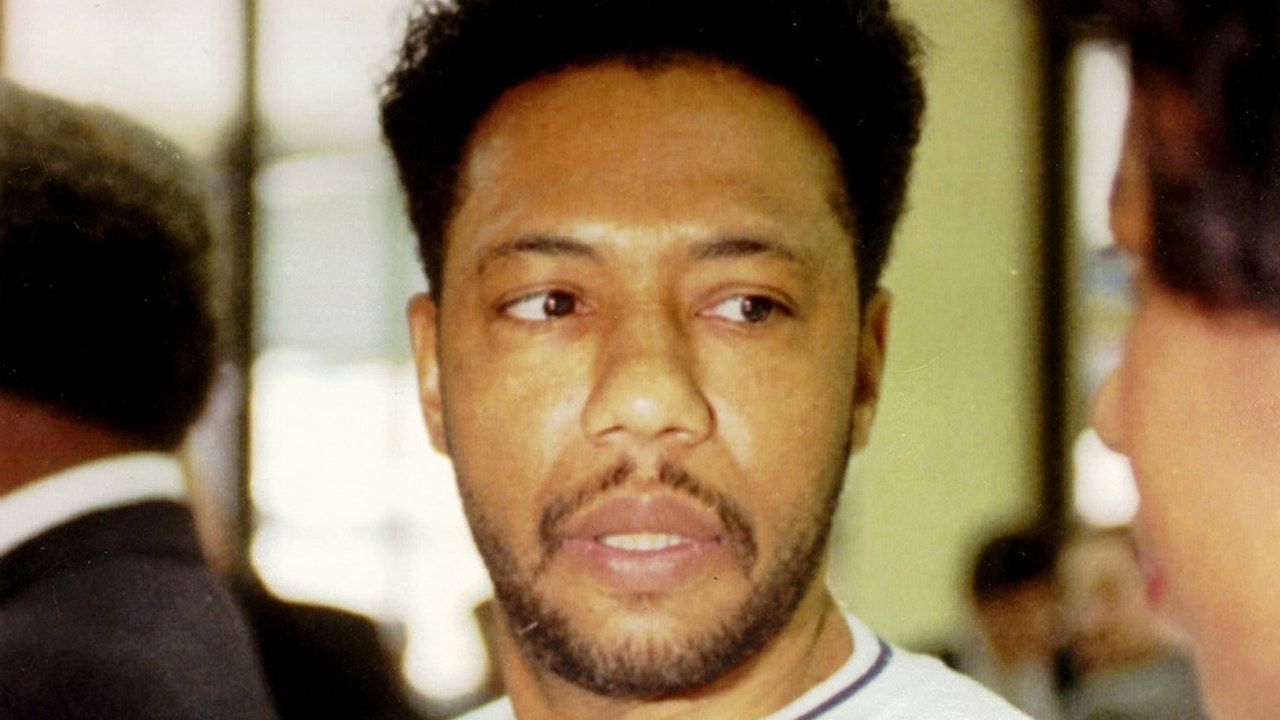
The commutation of Larry Hoover's life sentence by President Donald Trump has stirred a wide-ranging debate on justice reform. Hoover, who played a significant role in the Gangster Disciples gang, has spent decades behind bars.
At the heart of these discussions is the question of how the justice system should treat individuals with a past like Hoover's—one marked both by criminal convictions and claims of rehabilitation. Hoover, now 73, has been a controversial figure in both crime and reform circles.
A Long Incarceration History
Larry Hoover's journey through the criminal justice system began in the 1970s after being convicted of murder. His time in prison continued into the 1990s when he received another life sentence for orchestrating criminal activities from behind bars. He has since been housed in a secure federal facility in Colorado, often labeled a supermax prison.
Hoover's case has long been emblematic of broader issues in the American justice system, particularly regarding the treatment of those involved with organized crime. His imprisonment and subsequent actions have posed complex questions about rehabilitation and second chances.
Recent Developments in Hoover's Case
The decision to commute Hoover's sentence was revealed by an official within the administration, following advocacy from his legal team. They argued for the application of the First Step Act, a piece of legislation aimed at reforming sentences, to his case.
President Trump's decision to commute the sentence highlights ongoing conversations about the potential for legal reforms to be applied to past cases. The First Step Act allows for certain sentencing changes to be implemented retroactively, suggesting a shift in how the justice system may address long-standing sentences.
Supporters' Perspective
Hoover’s legal representation expressed gratitude towards President Trump, criticizing the courts for ignoring Hoover's apparent transformation and rehabilitation efforts. Supporters have long claimed that Hoover has made significant progress, advocating for his release on these grounds.
These advocates argue that Hoover's story is a testament to the human capacity for change, and that the justice system should reflect this belief by offering chances for redemption.
Challenges and Future Steps
Although Hoover may be transferred to the Illinois Department of Corrections, obstacles to his full release persist. The state sentence, which extends significantly, may not be commuted by the current governor, J.B. Pritzker, according to sources.
This decision underlines the complexities involved in navigating federal and state laws, even with a presidential commutation in play. The future for Hoover remains uncertain, with continued legal hurdles likely ahead.
The commutation of Larry Hoover's sentence has reignited a vital discussion about the nature of justice and the potential for change, leaving a considerable impact on the dialogue surrounding criminal justice reform.

New York Daily Contributor
Delia Vasquez
Covers politics and the money behind it, from the city council to Washington's effect on New York.
This article features partner, contributor, or branded content from a third party. Members of the New York Daily editorial staff were not involved in the creation of this content. All views and opinions are those of the contributor alone.