Sports Events Adapt to Heat as U.S. Faces Sweltering Conditions
Major sports events across the U.S. implemented measures to tackle intense heat, ensuring safety for athletes and fans amidst rising temperatures.

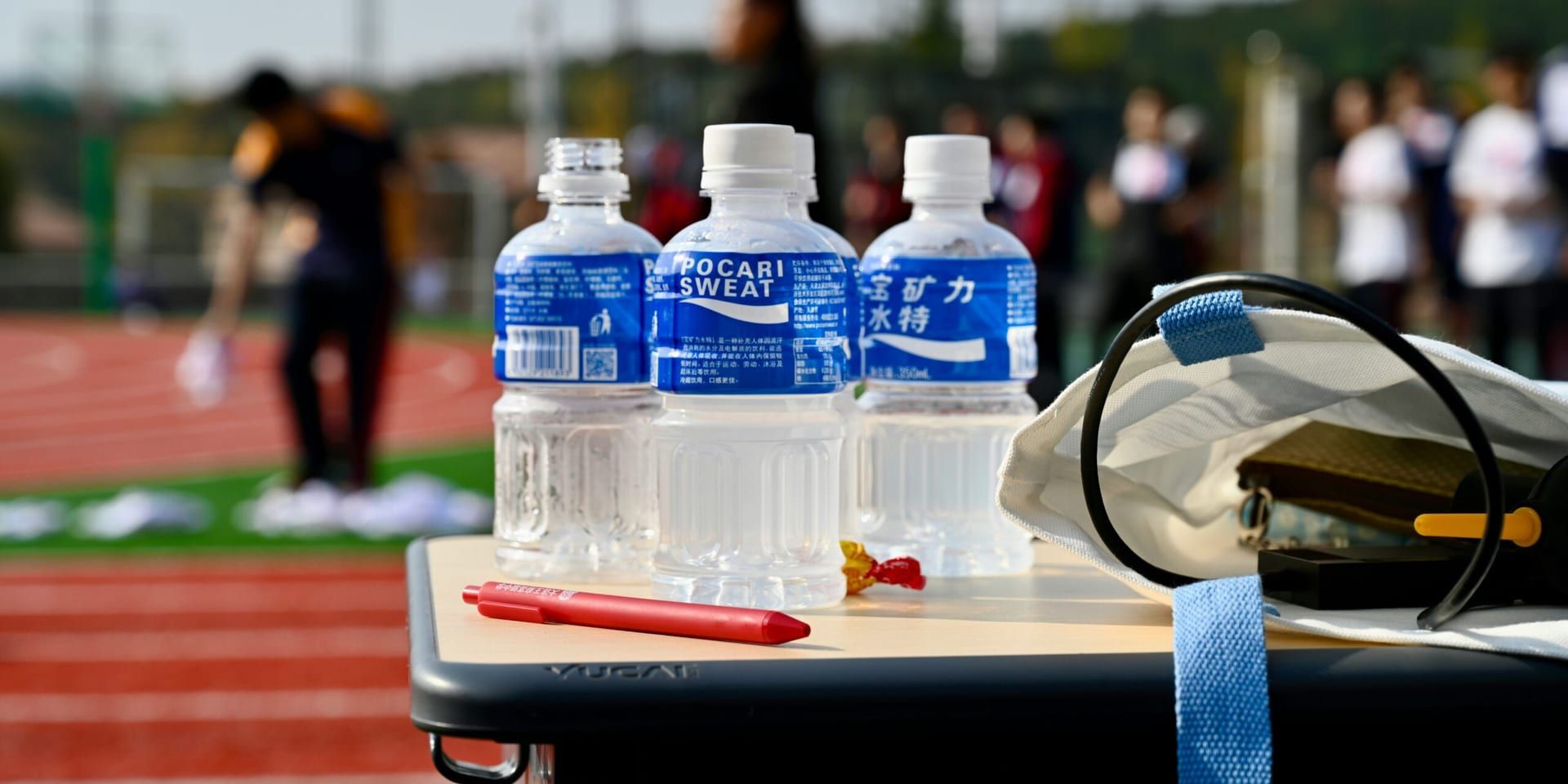
Sports events across the United States have been adapting to challenging conditions brought about by a severe heat wave. With temperatures climbing into the 90s Fahrenheit, organizers have been proactive in ensuring the safety and comfort of both athletes and fans.
At Chicago’s Wrigley Field, where the Chicago Cubs hosted the Seattle Mariners, the temperature soared to 92°F. This was part of a widespread heat dome impacting much of the eastern U.S. The Cubs organization responded by implementing various protocols to manage heat-related safety concerns. These included setting up shaded cooling areas for spectators, distributing bottled water, and frequently reminding everyone to stay hydrated.
Actions Taken at Sporting Venues
Players took their own precautions, with Mariners pitcher Logan Gilbert cooling down in shaded tunnel areas equipped with industrial fans between innings. Donovan Solano, also of the Mariners, emphasized the importance of maintaining electrolyte balance, supplementing his water with salt to fight fatigue. Despite the heat, the Mariners secured a 14–6 victory, with several players making notable contributions.
However, not all players escaped the heat unscathed. Mariners pitcher Trent Thornton and umpire Chad Whitson experienced heat-related issues but were treated promptly and recovered, highlighting the necessity of on-site medical teams.
Heat Impact on Golf Tournaments
Golf tournaments were similarly affected. The Travelers Championship in Cromwell, Connecticut, and the KPMG Women’s PGA Championship in Texas saw temperatures rising significantly. Organizers at the Travelers Championship established hydration stations and shade tents, and mobile medical units were available to assist as needed. Attendees were also advised to dress in lightweight clothing, use sunscreen, and stay in shaded areas.
The Women’s PGA event also adopted similar measures to ensure safety, as temperatures there also remained in the mid-90s. These events tested the endurance and resilience of both athletes and fans, demonstrating the importance of proactive measures in such weather conditions.
Player Resilience Amidst Heat Challenges
In another noteworthy incident, Cincinnati Reds' infielder Elly De La Cruz experienced discomfort due to the heat during a game in St. Louis. After receiving treatment and rehydrating, De La Cruz returned to the field and hit a two-run home run, showcasing the physical determination required in these extreme conditions.
Such incidents underline the critical need for effective heat management strategies during sporting events. As climate conditions become more unpredictable, sports organizations are increasingly focusing on innovative approaches to ensure the safety of participants and spectators.
Future Prep: Integrating Climate Considerations
Concerns about the rising frequency and intensity of heat waves are prompting sports bodies to rethink event planning. Enhanced hydration strategies, shaded areas, regular public advisories, and robust medical preparations are likely to become standard practices during the summer months.
Cities are also expanding access to cooling centers and issuing alerts to better inform the public about potential heat risks. These changes reflect a broader awareness and readiness to adapt to evolving climate realities while maintaining the essence and enjoyment of sports.
Efficient measures implemented during these heat waves have generally been successful. Most heat-related health issues reported were minor and did not result in lasting injuries, indicating the effectiveness of the precautions undertaken.
As climate change continues to influence weather patterns, sporting organizations are facing increased pressure to prioritize public health. The recent adjustments serve as a model for future event management, balancing traditional sporting values with the new environmental challenges.

New York Daily Contributor
Delia Vasquez
Covers politics and the money behind it, from the city council to Washington's effect on New York.
This article features partner, contributor, or branded content from a third party. Members of the New York Daily editorial staff were not involved in the creation of this content. All views and opinions are those of the contributor alone.