Severe Storms in Mississippi Valley Linked to Climate Change
Global warming intensified deadly storms that struck the Mississippi Valley, killing 24 and causing $2.3 billion in damages.

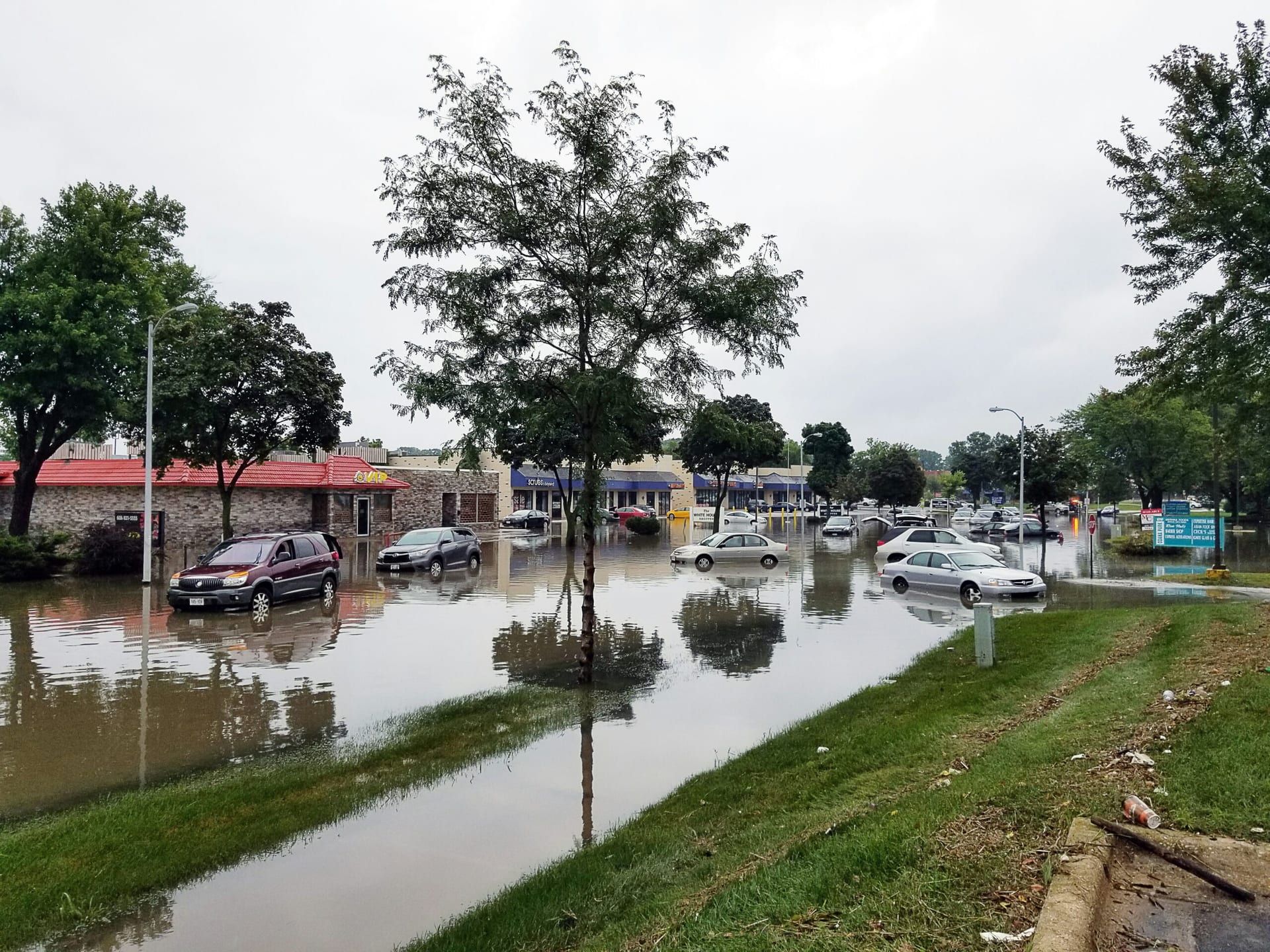
Devastating floods and tornadoes that ravaged the Mississippi Valley were intensified by human-induced global warming, as confirmed by recent research. These catastrophic events led to the tragic loss of 24 lives and displaced thousands of residents.
Scientific studies indicate that human activities, particularly fossil fuel emissions, have played a significant role in escalating the severity of these natural disasters. Such findings align with the growing body of evidence linking climate change to extreme weather events.
Central U.S. Faces Destructive April Storms
A relentless storm system unleashed destruction across the central U.S., particularly affecting Arkansas, Missouri, Illinois, and Tennessee, over a four-day period. More than 50 tornadoes were confirmed, alongside torrential rains that inundated communities.
The storms left a trail of destruction, with homes and infrastructure severely damaged. Emergency services logged damages totaling $2.3 billion, marking it as one of the most financially devastating natural disasters in the area to date.
Residents and local officials reported unprecedented flooding, with flash floods rapidly engulfing roads and homes, forcing many to seek refuge in emergency shelters.
Climate Change's Impact on Storm Severity
Research utilizing advanced climate models has provided insights into how climate change exacerbated the storms. The analysis compared current climate conditions to a pre-industrial climate, revealing significant differences.
The findings suggest a 40% increased likelihood of such severe storm events due to climate change, along with 9% heavier rainfall. This is attributed to the warming atmosphere's increased capacity to retain moisture, leading to more intense precipitation and heightened flood risks.
Researchers emphasize that these storms represent tangible examples of climate change impacts, underscoring the urgent need for climate action.
Mississippi Valley's Ongoing Struggles
The Mississippi Valley has long been susceptible to extreme weather, experiencing a rise in heavy rainfall events and destructive tornado outbreaks over the past decade. These patterns are consistent with climate projections of more frequent and intense weather fluctuations.
Local communities are repeatedly challenged by alternating droughts and floods, which complicate agricultural activities and strain resources. Farmers in the region express concerns over the sustainability of frequent rebuilding efforts.
Recovery and Future Preparedness
In response to the devastation, federal assistance has been mobilized, with President Biden declaring disasters in several affected counties. Plans to enhance infrastructure resilience are underway in numerous states.
Proposals include improving floodplain management, reinforcing levees, and implementing stricter zoning and building codes to better withstand future environmental threats.
Officials stress the importance of investing in preventative measures now, highlighting the greater cost of inaction in the face of increasing climate-related risks.
The Mississippi Valley's recent experience serves as a stark illustration of climate change's impacts, reinforcing the urgent need for both adaptation strategies and efforts to mitigate the root causes of global warming.

New York Daily Contributor
Delia Vasquez
Covers politics and the money behind it, from the city council to Washington's effect on New York.
This article features partner, contributor, or branded content from a third party. Members of the New York Daily editorial staff were not involved in the creation of this content. All views and opinions are those of the contributor alone.