AI's Cinematic Evolution: Transforming Film Production
Artificial Dreams debuts as the first AI-driven film, sparking a new dialogue on technology's role in the entertainment industry.

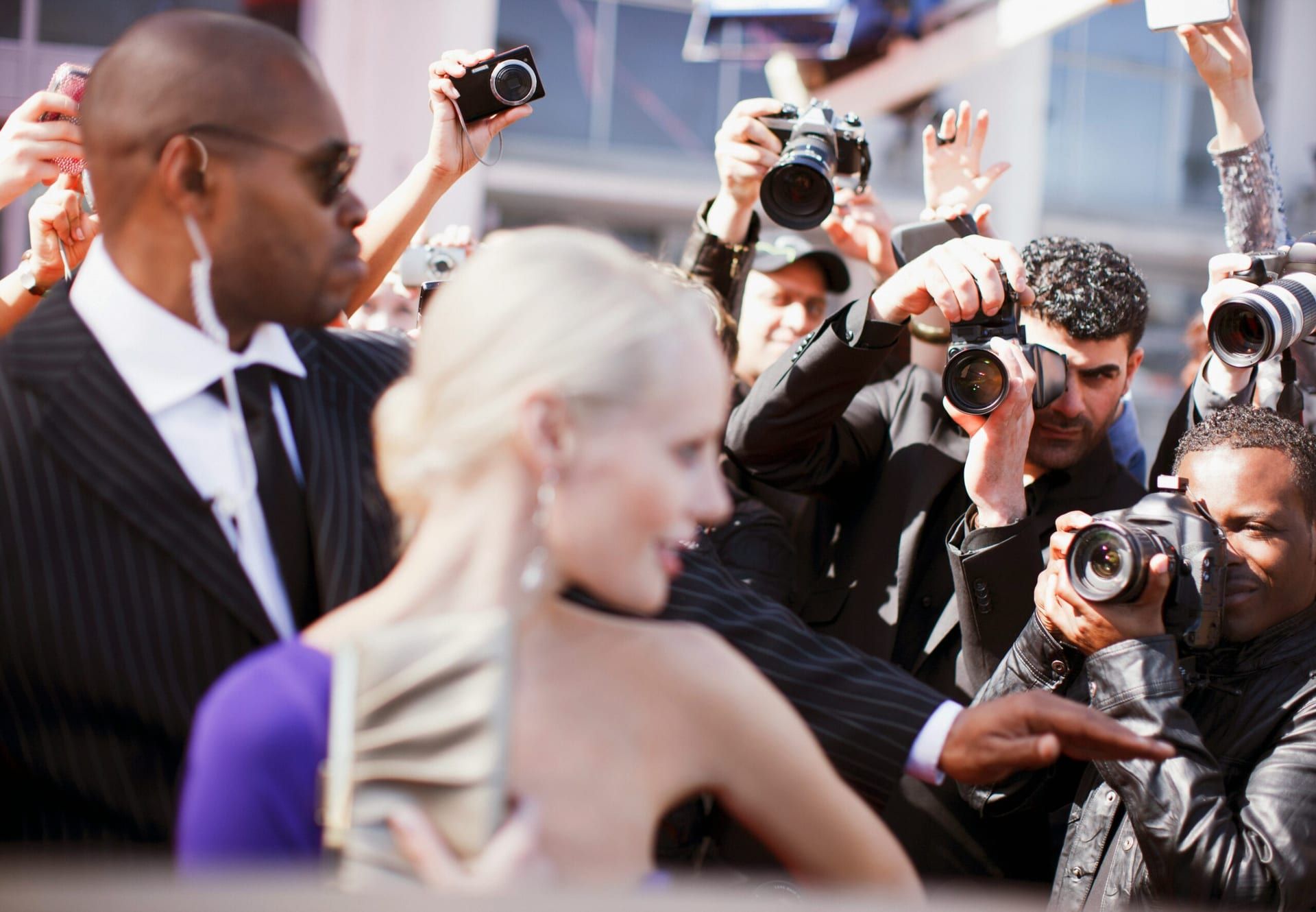
The entertainment industry witnessed a pivotal moment when the AI-driven film Artificial Dreams premiered at the Sundance Film Festival. Directed by Emily West, this project was noteworthy for its complete integration of artificial intelligence in every aspect of its creation, from scriptwriting to editing.
The film, set against a backdrop where humans and AI coexist, was not just a narrative exploration but an embodiment of its production techniques. Visionary Studios, a tech startup, collaborated with West, enabling the use of an advanced AI model to assist throughout the filmmaking process.
AI in Scriptwriting
A significant revelation during the film's premiere was the AI's role in scriptwriting. By analyzing an extensive database of film scripts and books, the AI crafted a narrative that offered new perspectives on storytelling. Emily West described this as the AI bringing forth future narratives, adding a fresh dimension to cinematic storytelling.
This innovative approach showcased AI’s potential to tackle complex storylines, previously deemed challenging for traditional writers, and opened the door for more ambitious film projects.
Commercial and Creative Impact
The film's immediate success captured the interest of major studios and distributors keen on integrating AI into their creative processes. Beyond the commercial appeal, Artificial Dreams spurred discussions about democratizing filmmaking, making high-quality production tools accessible to smaller creators and independent filmmakers.
AI demonstrated its role as a creative partner, not a replacement for human creativity, allowing filmmakers to concentrate on their artistic vision while AI handled technical tasks.
Changing Perceptions of AI
Traditionally viewed with skepticism, AI’s role in the making of Artificial Dreams shifted public perception. It became evident that AI could enhance rather than replace human creativity, by managing tasks like editing and sound design, thus freeing filmmakers to focus on the storytelling aspect.
This shift in perspective has been crucial for encouraging the acceptance and adoption of AI technologies across various creative industries.
Challenges and Future Prospects
The journey of creating Artificial Dreams was not without challenges. Instances where AI suggestions clashed with West's vision highlighted the complexities of this new filmmaking paradigm. Yet, as the collaboration progressed, AI evolved into a valuable partner, learning from feedback to better align with human creativity.
Looking forward, industry leaders acknowledge AI's potential in areas beyond filmmaking, such as visual effects and marketing, paving the way for a future where human creativity and AI's efficiencies are seamlessly integrated.
Ultimately, the success of Artificial Dreams signals a transformative shift in entertainment, showcasing how the synergy between human ingenuity and AI can lead to groundbreaking creative achievements.

New York Daily Contributor
Delia Vasquez
Covers politics and the money behind it, from the city council to Washington's effect on New York.
This article features partner, contributor, or branded content from a third party. Members of the New York Daily editorial staff were not involved in the creation of this content. All views and opinions are those of the contributor alone.