Currency Shifts and Trade Realignments Shape Global Markets
Global currency volatility and strategic trade realignments highlight the interconnected nature of today's economy, posing challenges and opportunities.

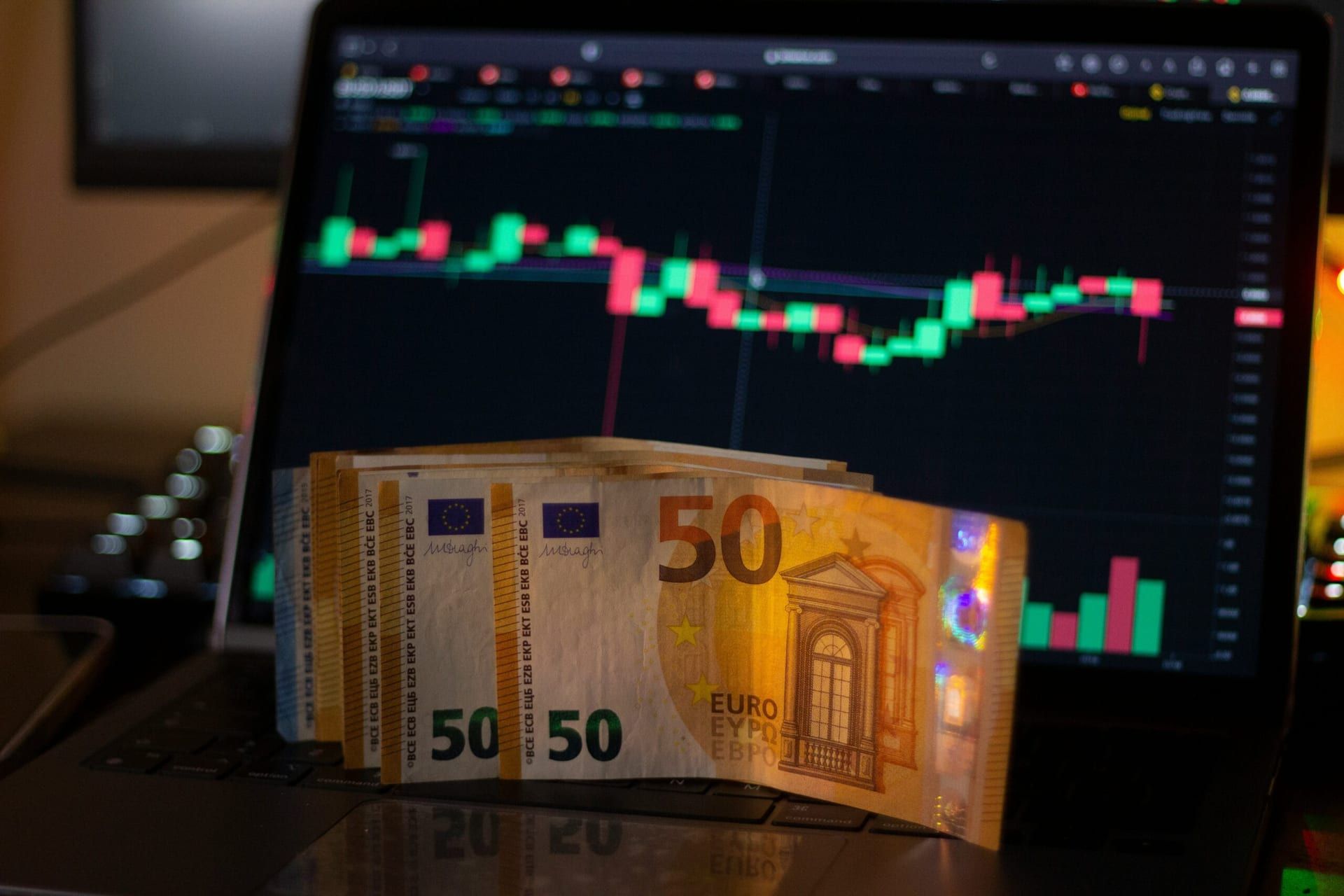
Global markets are experiencing significant tremors as fluctuations in currency exchange rates and strategic realignments in trade reshape the economic landscape. At the forefront of this shift is the decline of the US dollar against major currencies, compelling central banks worldwide to reevaluate their monetary policies.
This downward movement in the dollar's value has surfaced amid existing economic uncertainties exacerbated by geopolitical and market forces. While it brings cost challenges to import-dependent nations, export-oriented economies are seizing the opportunity presented by more favorable exchange rates.
Central Banks Respond to Currency Volatility
The depreciation of the US dollar has prompted central banks, especially those in emerging markets, to tread cautiously. These institutions are striving to stabilize their economies without sparking inflationary pressures, a task made complex by the multifaceted nature of the global economic environment.
As currencies fluctuate, banks are reassessing interest rates and monetary strategies, aiming to mitigate adverse impacts while leveraging potential benefits. This delicate balance is crucial for maintaining financial stability in a period marked by uncertainty.
G7 Nations Pivot in Trade Relations
Significant developments are also unfolding in the realm of global trade, with the G7 nations actively seeking to diversify supply chains away from China. This strategic shift stems from heightened geopolitical tensions and the lessons learned from the COVID-19 pandemic, which revealed vulnerabilities in existing trade dependencies.
The G7's pivot involves fostering new trade partnerships and enhancing domestic production capabilities. This move is particularly evident in sectors crucial to national security and economic resilience, such as semiconductors and rare earth minerals.
Ukraine's Grain Deal and Food Security
In the midst of its ongoing conflict with Russia, Ukraine has extended a crucial Black Sea grain deal. This extension is pivotal for global agricultural markets, ensuring the continued flow of grain exports to regions like Africa and the Middle East where food security remains a pressing issue.
The arrangement not only aids Ukraine economically but also plays an essential role in stabilizing global food prices, which have been subject to volatility since the conflict began.
Interconnected Global Economic Adjustments
These multifaceted developments in currency and trade underscore the interconnected nature of the global economy. The shifts in exchange rates and evolving trade strategies highlight the need for careful navigation by central banks and governments.
As the world continues adjusting to the aftermath of the pandemic and ongoing geopolitical tensions, these economic realignments present both challenges and opportunities for nations worldwide.
In an era of rapid changes, the global economic landscape demands adaptive strategies and collaborative efforts to foster stability and growth in the face of diverse market forces.

New York Daily Contributor
Delia Vasquez
Covers politics and the money behind it, from the city council to Washington's effect on New York.
This article features partner, contributor, or branded content from a third party. Members of the New York Daily editorial staff were not involved in the creation of this content. All views and opinions are those of the contributor alone.