Project PHAREZ Pioneers Nuclear Fusion for Africa's Energy Needs
Project PHAREZ, led by Henry Iheanacho Eze, aims to transform Africa's energy landscape with nuclear fusion, emphasizing community ownership and innovation.

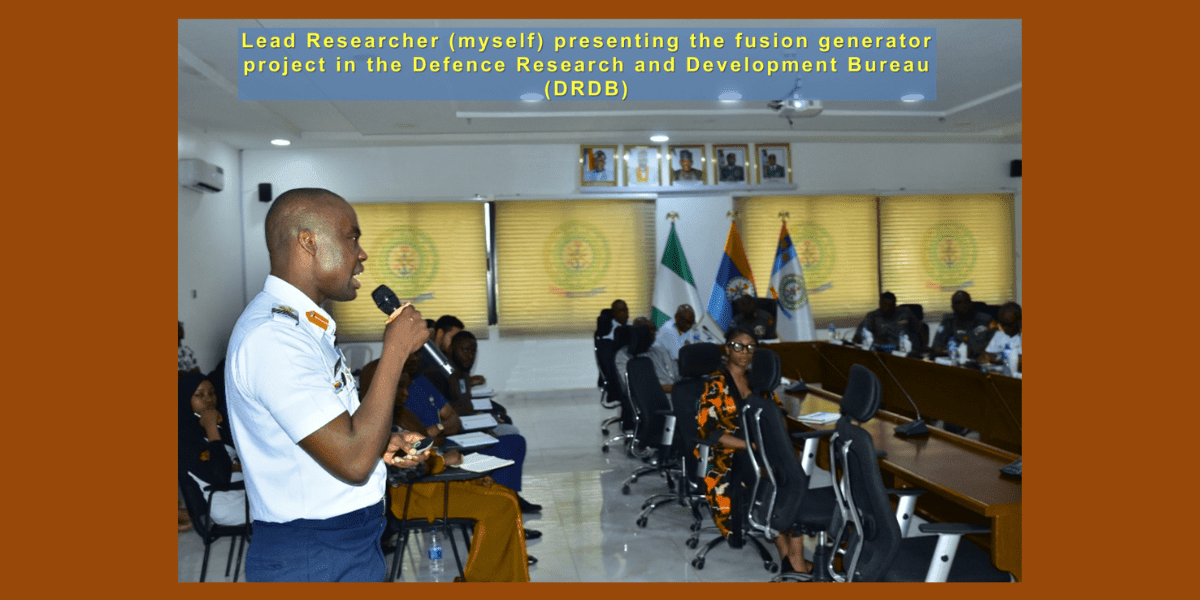
In the quest for sustainable energy solutions, one initiative stands out for its ambitious vision and community-driven approach: Project PHAREZ. Spearheaded by Henry Iheanacho Eze, this African-led project seeks to revolutionize energy access in Sub-Saharan Africa by leveraging nuclear fusion technology. With a focus on social equity and innovation, Project PHAREZ is poised to make clean, limitless energy a reality for millions.
Henry Iheanacho Eze, the visionary at the helm of Project PHAREZ, aims to develop Nigeria's first indigenous nuclear fusion generator. This endeavor not only promises a technical breakthrough but also represents a philosophical shift in how energy resources are distributed. Eze's mission is grounded in the principle of democratizing technology, ensuring that the benefits of groundbreaking energy solutions reach the communities most in need.
Understanding Nuclear Fusion
Nuclear fusion, the process that fuels the sun, involves the fusion of hydrogen atoms under extreme conditions, releasing enormous amounts of energy. Project PHAREZ aims to replicate this process using materials like deuterium and tritium, which are both safe and accessible. The potential of fusion as an energy source is vast, offering a clean and virtually limitless supply of power.
While the scientific challenge of achieving nuclear fusion is daunting, Project PHAREZ distinguishes itself by integrating social transformation into its core mission. Eze's approach is not just about scientific advancement but also about ensuring that energy innovations serve broader societal goals.
Empowering Communities Through Ownership
A key aspect of Project PHAREZ is its novel funding strategy, which invites public participation. This model allows individuals from all walks of life to invest in and own a share of the future of energy. Contributions are not just donations but investments that, if successful, convert contributors into stakeholders of the nuclear fusion project.
This democratized funding approach contrasts sharply with traditional energy projects, which are often dominated by large corporations or government entities. By involving the public directly, Project PHAREZ fosters a sense of ownership and responsibility, ensuring that the technological advancements benefit the communities they aim to serve.
The Role of Collaboration and Support
Support from prestigious scientific bodies like the Nigeria Atomic Energy Commission and the Defence Research and Development Bureau has been vital to the advancement of Project PHAREZ. With backing from these institutions, along with a team of leading scientists and engineers, the project is well-positioned to become a leader in fusion energy innovation.
Beyond technical support, the project is drawing the attention of policymakers, investors, and researchers who recognize its potential to transform Africa's energy landscape. As the initiative gains momentum, it exemplifies how collaborative efforts can drive significant progress towards sustainable energy solutions.
A Vision for Africa's Energy Future
The implications of Project PHAREZ for Africa's energy sector are profound. With countless individuals in Sub-Saharan Africa lacking consistent access to electricity, a successful nuclear fusion generator could address critical energy shortages. The project's commitment to equitable energy distribution means that the benefits of this clean, renewable power source would be shared widely.
Beyond the scientific and technological advancements, Project PHAREZ is a movement towards greater societal empowerment. By engaging ordinary citizens in the process of innovation, the project not only provides power but also equips people with the means to influence their futures actively.
Through its trailblazing approach, Project PHAREZ is redefining what it means to be an innovator in the modern era. By merging technological advancement with community involvement, the initiative sets a new standard for sustainable development and energy equity.

New York Daily Contributor
Delia Vasquez
Covers politics and the money behind it, from the city council to Washington's effect on New York.
This article features partner, contributor, or branded content from a third party. Members of the New York Daily editorial staff were not involved in the creation of this content. All views and opinions are those of the contributor alone.