New York City Carriage-Horse Proposal Faces Labor and Animal-Welfare Debate
Mayor Zohran Mamdani and Council Speaker Julie Menin face competing concerns over a proposal to phase out horse-drawn carriage rides.

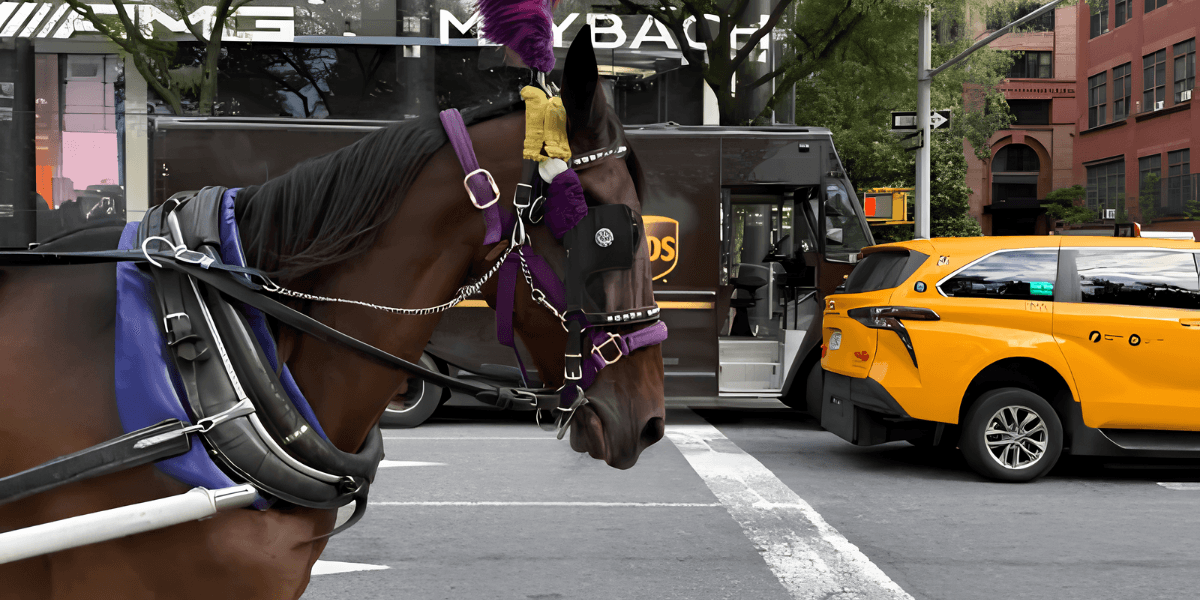
New York City's proposal to phase out horse-drawn carriage rides has opened a new debate over animal welfare, workers' livelihoods and the future of a long-standing tourist attraction. Mayor Zohran Mamdani and City Council Speaker Julie Menin have agreed on a proposed legislative approach that would end the industry under a transition plan, with a City Council vote expected later in October.
The proposal, known as Romanch's Law, would prohibit the issuance or renewal of carriage-horse licenses after the transition period begins. Existing licenses would expire at the end of May 2028, with the proposed ban taking effect the following day. The plan also includes provisions concerning retired horses and a program intended to help affected workers transition to other employment.
The issue has brought together animal-welfare advocates, carriage workers, labor representatives, tourism interests and elected officials, each of whom views the future of the industry through a different lens.
The Case for Ending Carriage Rides
Supporters of the proposal argue that horse-drawn carriages create unacceptable risks for animals working in a busy urban environment. New York streets involve vehicle traffic, pedestrians, noise and unpredictable conditions, while the horses themselves require suitable care, rest and stable facilities.
Concerns about safety have also shaped the debate. A runaway-horse incident in June resulted in the death of tourist Romanch Mahajan, whose name was subsequently attached to the proposed legislation. A horse named Deniz also died during the summer, intensifying scrutiny of the industry.
For animal-welfare advocates, these incidents underscore the difficulty of managing horses in a dense city environment. They argue that the risks extend beyond individual incidents and that eliminating the industry would remove a source of potential harm.
The proposed transition would also address what happens to horses after the industry ends. The legislation includes a provision intended to prevent retired carriage horses from being sent to slaughter, reflecting concerns about their long-term welfare once they are no longer working.
Workers and Livelihoods
Carriage workers and their supporters have raised concerns about the economic consequences of a ban. The industry supports people whose income depends on operating carriages, caring for horses and providing related services. Ending the activity would require workers to find alternative employment or develop new sources of income.
A transition program is therefore a central component of the proposal. Its effectiveness would depend on the support available, the eligibility requirements and whether affected workers can access training or job opportunities that provide a realistic alternative.
Labor representatives have also questioned the way the proposed agreement was developed and its implications for workers. For those whose livelihoods depend on the industry, a policy change is not simply a symbolic debate about tourism; it affects income, skills, business arrangements and the ability to plan for the future.
The city will face pressure to ensure that any transition is practical rather than merely aspirational. Training programs need to match available jobs, and support should account for the different circumstances of workers and businesses affected by the change.
A Tourism Tradition Under Review
Horse-drawn carriages have long been part of the image of New York City, particularly in the Central Park area. Visitors may view the rides as a traditional sightseeing experience, while critics argue that a tourist attraction should not continue if its operation creates unacceptable animal-welfare concerns.
The debate reflects a broader question facing cities that rely on historic or traditional experiences: when should an established activity change in response to evolving standards of safety and animal care?
Tourism businesses often depend on recognizable attractions, but cities also adapt their public spaces as transportation, safety expectations and community priorities change. A phaseout could prompt tour operators to develop alternatives that preserve some of the visitor experience without relying on working horses.
Any replacement would need to be assessed on its own merits. Electric vehicles, walking tours and other sightseeing options may provide alternatives, but their practicality depends on regulation, demand, cost and the character of the surrounding area.
The Legislative Process
The proposed measure is scheduled for consideration by the City Council later in October. Until the legislative process is complete, the proposal should not be treated as an enacted ban. Council members will need to consider the bill's provisions, the transition timeline and the concerns raised by affected groups.
The period before implementation would be important for clarifying licensing arrangements, defining the responsibilities of city agencies and establishing how worker assistance would operate. Officials would also need to communicate the rules to operators and visitors to avoid confusion during any transition.
The proposed exceptions for temporary exhibits, performances or displays would also require clear interpretation to establish what activities remain permissible. Specific implementation details can affect how the law works in practice and how consistently it is enforced.
Balancing Welfare, Work and Public Space
The carriage-horse debate illustrates how a local policy can involve several competing public interests. Animal welfare is central to the proposal, but the decision also affects workers, tourism businesses, visitors and the city's use of public streets.
A successful transition would require more than setting an end date. It would need credible safeguards for the horses, meaningful support for workers and clear rules that can be administered fairly. City officials would also need to explain how the policy will be implemented and how compliance will be monitored.
For New York, the proposal presents a choice about the future of a familiar urban tradition. The coming legislative debate will determine whether the city moves toward a formal phaseout and what protections accompany that change.

New York Daily Contributor
Delia Vasquez
Covers politics and the money behind it, from the city council to Washington's effect on New York.
This article features partner, contributor, or branded content from a third party. Members of the New York Daily editorial staff were not involved in the creation of this content. All views and opinions are those of the contributor alone.
More From New York Daily