US Ends Duty-Free Imports from China, Impact on Consumers
The US ends duty-free imports from China, affecting online shoppers with price hikes and delays. Find out how changes impact consumers and sellers.

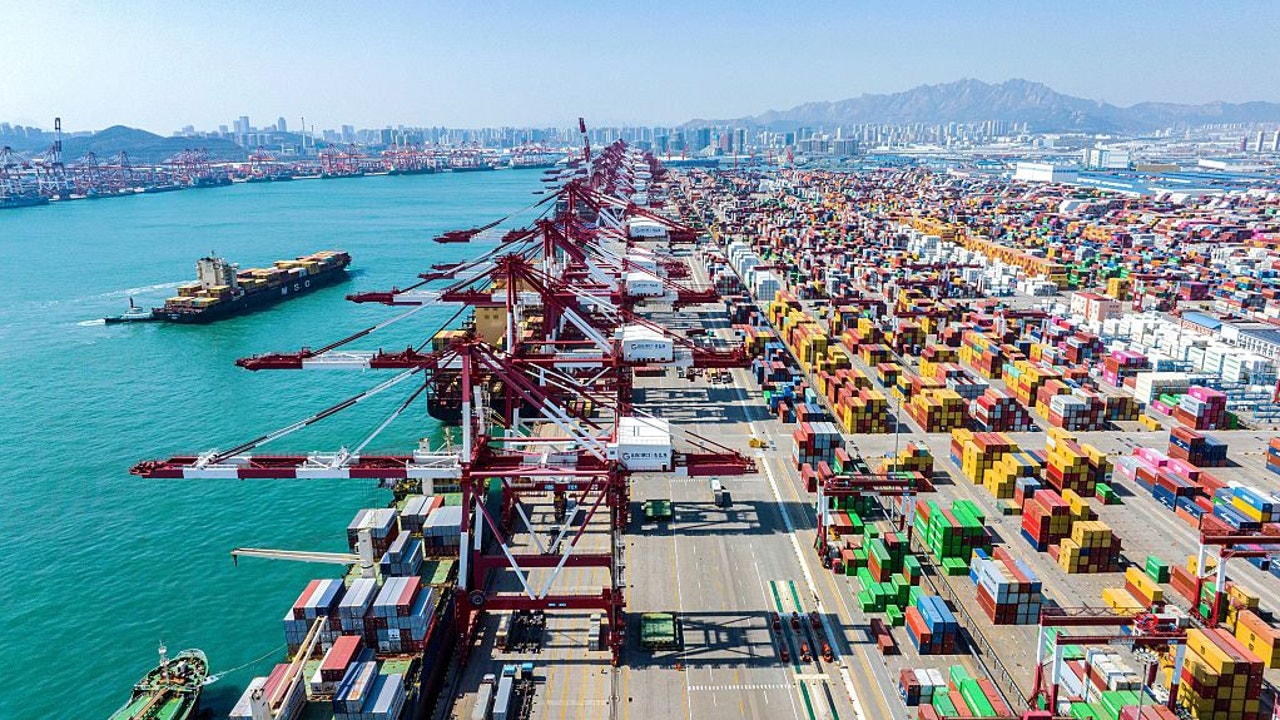
The United States is set to eliminate the duty-free exemption for low-value imports from China and Hong Kong. This move intensifies the longstanding trade tensions between the two nations, as tariffs become a more prominent feature in US-China trade.
This policy shift involves a significant 145% tariff on various goods, marking a pronounced escalation in the trade conflict. As a result, both consumers and businesses are preparing for a substantial change in the landscape of international online shopping.
What Consumers Can Expect
For online shoppers, changes are on the horizon. Many consumers will likely face higher prices on goods imported from China due to the newly imposed tariffs. Online platforms are adjusting their pricing strategies, with some doubling their prices to accommodate the new import charges.
In addition to the financial implications, shoppers might experience longer delivery times. The transition to the new customs processes requires declarations and duty payments, adding complexity and potential delays to shipping timelines.
Platforms like Temu are leading the way in transparency, embedding import tariffs in their merchandise prices, while Shein is informing customers about the addition of these costs during checkout.
Revisiting the De Minimis Rule
The de minimis rule, which allowed duty-free import of goods valued below $800, significantly boosted low-value imports. This threshold facilitated a growth in imports from $5.3 billion in years past to $66 billion more recently, highlighting the boom in online retail.
However, the upcoming changes will disrupt this efficient process. The new regulations will dismantle the de minimis provision, affecting the streamlined delivery of small packages that many consumers have come to expect.
Implications for Carriers and Sellers
Parcel carriers are gearing up for increased administrative responsibilities due to the new duty collection requirements. This will likely impact both the cost of goods and the speed of delivery for consumers.
Carriers such as UPS and FedEx have announced their readiness to handle these changes, while the U.S. Postal Service considers different strategies for managing tariffs that could further increase costs.
The U.S. Customs and Border Protection agency has expressed its intention to ensure compliance and revenue collection, stressing that these changes are part of a larger effort to regulate imports effectively.
Looking Ahead
The end of duty-free imports marks a turning point in US-China trade relations, with significant consequences for consumers and businesses alike. As companies and carriers adapt to this new reality, the landscape of international shopping will continue to evolve, with a likely emphasis on transparency and efficiency in handling these added costs.

New York Daily Contributor
Delia Vasquez
Covers politics and the money behind it, from the city council to Washington's effect on New York.
This article features partner, contributor, or branded content from a third party. Members of the New York Daily editorial staff were not involved in the creation of this content. All views and opinions are those of the contributor alone.