How Tariffs Could Skyrocket iPhone Prices in the U.S.
Proposed tariffs on foreign-manufactured iPhones could force Apple to produce domestically, potentially tripling prices due to increased costs.

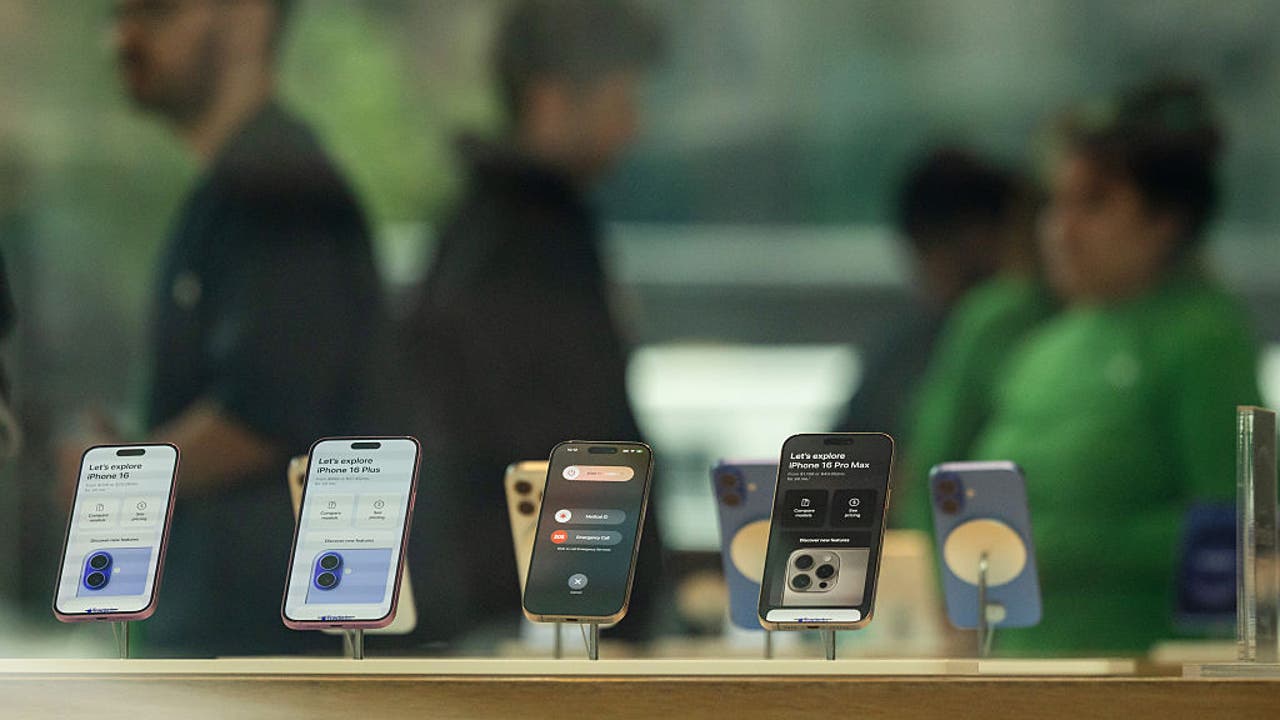
The U.S. iPhone market faces potential upheaval as tariffs proposed by former President Donald Trump aim to impose a 25% levy on iPhones produced outside the United States. This move targets Apple's current manufacturing strategy, posing significant challenges for the tech giant.
Apple has thrived under a global supply chain model, producing its highly sought-after iPhones overseas. However, with these proposed tariffs, the cost of maintaining such a strategy could sharply increase, affecting consumers and the company alike.
Domestic iPhone Production: A Costly Proposition
Industry specialists, including Dan Ives of Wedbush Securities, suggest that relocating iPhone production to the U.S. would entail higher expenses. The potential price for a domestically made iPhone could range from $2,000 to $3,500, dwarfing the current average of around $1,000. Labor and infrastructure expenses, alongside Apple's complex supply chain, drive this anticipated cost hike.
According to Ives, the perception of an affordable, high-quality iPhone would shift dramatically, altering the product's market positioning. This cost-realignment could redefine Apple's competitive advantages in the smartphone industry.
Production Challenges on U.S. Soil
Apple CEO Tim Cook has expressed concerns regarding the feasibility of moving manufacturing operations stateside. He emphasizes the logistical complications, highlighting China’s superior skilled labor availability. "In China, you could fill multiple football fields, while in the U.S., you could barely fill a room," Cook noted.
Despite Apple's goal to inject $500 billion into the U.S. economy by 2028, there are no definite plans to allocate this capital toward iPhone production. Transitioning manufacturing processes would not only require time but substantial investments, complicating the company's strategic plans.
Uncertain Future for iPhone Pricing
The proposed tariffs introduce uncertainty about future iPhone pricing. Analysts have already predicted price hikes due to current inflation and decreased service revenue. Should tariffs be enforced, these changes might accelerate, prompting consumers to purchase devices before costs rise further.
Furthermore, Apple's service division, which brought in $96 billion in revenue, has cushioned some of the financial pressures. However, a court decision threatening this revenue stream could add to pricing challenges, forcing Apple to reconsider its pricing strategies.
As the situation develops, consumers and industry insiders alike are left contemplating the potential impact on the market and the cost implications for one of Apple's flagship products.
Given these potential shifts, the iPhone's future in the American market remains uncertain, balancing consumer demand with production costs and operational logistics.

New York Daily Contributor
Delia Vasquez
Covers politics and the money behind it, from the city council to Washington's effect on New York.
This article features partner, contributor, or branded content from a third party. Members of the New York Daily editorial staff were not involved in the creation of this content. All views and opinions are those of the contributor alone.