Economic Challenges Loom as Inflation and Tensions Rise
The global economy experiences slow growth amid inflation, geopolitical tension, and policy responses impacting major sectors.

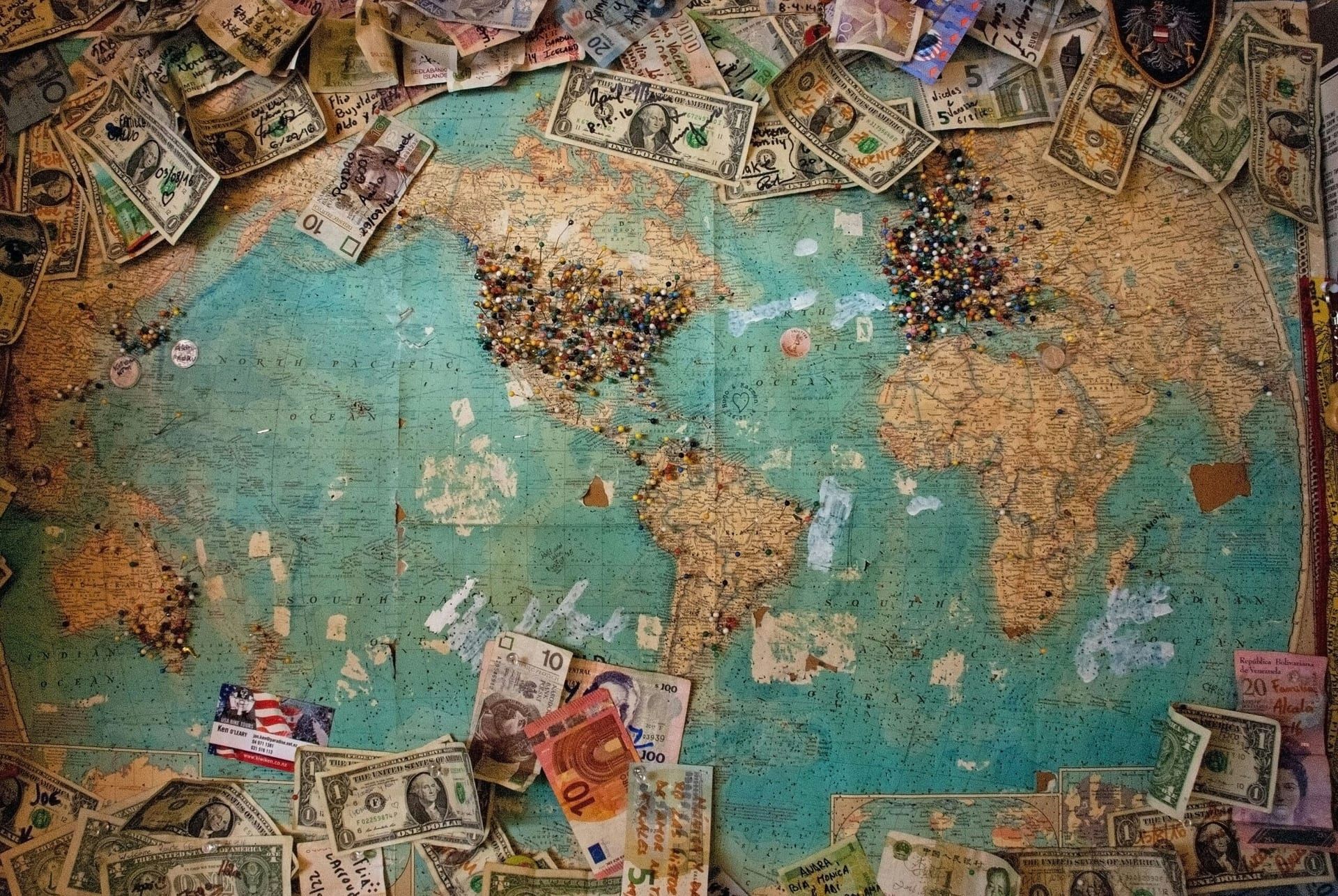
The global economic landscape is facing significant challenges as growth forecasts are revised downward amid persistent inflation and geopolitical uncertainties. The World Bank has adjusted its global GDP growth projection to a modest 1.7%, reflecting the compounded impact of several destabilizing factors.
The ongoing war in Ukraine continues to strain international relations and economic stability, exacerbating issues like rising energy costs and disrupted trade. These factors collectively contribute to a tense global economic environment.
UK's Economic Struggles Highlighted
Particularly affected by the economic malaise is the United Kingdom, which is forecasted to face a contraction of 0.6% in its economy. High energy prices and increased mortgage rates are troubling consumers and businesses alike. Additionally, the aftermath of Brexit continues to pose hurdles, as the country navigates its post-EU identity amidst political instability.
These challenges are leaving industries in a precarious position, as they contend with heightened uncertainty and operational difficulties in an already fragile economic climate.
Inflation Pressures Lead to Policy Shifts
Inflation remains a significant concern worldwide, with costs for essentials climbing steeply and squeezing household budgets. In response, central banks like the US Federal Reserve and the European Central Bank have implemented higher interest rates to contain inflation.
While these monetary policies aim to stabilize prices, they also bring unintended consequences, notably impacting sectors such as housing and retail, which are beginning to feel the strain of increased borrowing costs.
Corporate Adjustments to Economic Realities
In the corporate realm, businesses are taking decisive actions to adapt to the challenging economic environment. Amazon's decision to close three warehouses in the UK, resulting in 1,200 job losses, exemplifies the broader corporate strategy to streamline operations amid economic uncertainty.
This move is part of Amazon's global restructuring efforts, aiming to cut 18,000 positions, highlighting the tough decisions businesses face as they strive to remain viable during turbulent times.
Geopolitical Tensions Escalate Economic Uncertainty
The war in Ukraine, now persisting into its second year, continues to affect global supply chains and energy markets, primarily impacting European economies. The conflict has caused fluctuations in food prices, energy security concerns, and altered trade routes.
Beyond Ukraine, tensions in East Asia and unresolved trade disputes further contribute to a volatile economic outlook. Countries and investors are increasingly prioritizing economic resilience and diversification strategies to mitigate potential risks.
Without clear signs of inflation easing or geopolitical tensions abating, the trajectory of global economic growth remains uncertain, demanding cautious optimism and strategic foresight from global leaders and businesses.

New York Daily Contributor
Delia Vasquez
Covers politics and the money behind it, from the city council to Washington's effect on New York.
This article features partner, contributor, or branded content from a third party. Members of the New York Daily editorial staff were not involved in the creation of this content. All views and opinions are those of the contributor alone.